
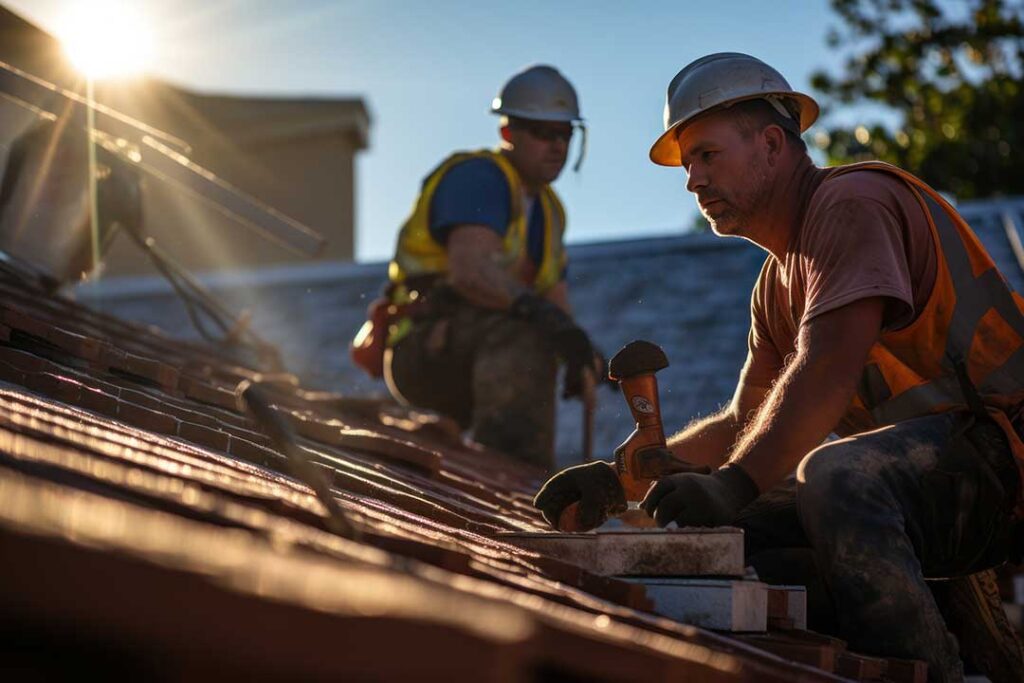
Roof work can look simple from the ground, but even a small repair involves height, unstable surfaces, weather exposure, and hidden damage. For residents of Watervliet, NY, do-it-yourself roof work is safest when the task is minor, the roof is easy to access, conditions are dry and calm, and the person doing the work understands how to avoid falls and structural damage.
The key question is not only whether a repair appears manageable. It is whether the work can be completed without creating a greater risk to people, the roof system, or the home.
Which roof projects are usually reasonable for a careful homeowner?
Minor ground-level inspection and limited maintenance may be suitable for someone who is physically capable, comfortable using a ladder, and familiar with basic safety practices. Examples include:
- Looking for missing or lifted shingles from the ground
- Cleaning leaves from roof edges when the work can be done safely from a stable ladder
- Removing small amounts of debris from a low-slope roof
- Replacing a small number of matching asphalt shingles
- Resealing a visible nail head or small exposed fastener when the surrounding roof is sound
- Cleaning or inspecting accessible gutters
- Replacing a damaged vent cap that can be reached without walking on a steep roof
Even these tasks should be postponed if the roof is wet, icy, covered with frost, or weakened by storm damage. A repair that is safe on a one-story, low-slope roof may be unsafe on a taller or steeper home.
What makes a roof unsafe for do-it-yourself work?
A roof is generally not a safe do-it-yourself work area when one or more major hazards are present. Steep slopes, fragile materials, poor access, and uncertain structural conditions can turn a small project into a fall or collapse hazard.
Avoid climbing onto the roof if it has:
- Ice, snow, frost, rain, or heavy dew
- A steep pitch that requires careful footing or special equipment
- Soft, sagging, spongy, or visibly uneven areas
- Loose decking beneath the shingles
- Extensive storm damage
- Moss or algae covering large sections
- Brittle shingles that crack when touched
- Skylights, solar equipment, or fragile roof-mounted components
- Electrical lines or equipment near the work area
- Limited space for a ladder or safe movement
Winter and early spring deserve extra caution in the local climate. Freeze-thaw cycles can loosen shingles, create hidden ice, and make roof surfaces unpredictable. A roof that looks dry from the ground may still be slick in shaded areas.
Is it safe to repair a roof after a storm?
Usually, only a limited visual inspection from the ground is safe immediately after a storm. Wind, falling branches, hail, and heavy rain can damage the roof covering while also weakening the underlying structure.
Do not climb onto a roof after a major storm if there are signs such as:
- Sagging roof lines
- Large sections of missing shingles
- Punctures or holes
- Exposed roof decking
- Fallen trees or branches
- Water entering around ceilings or light fixtures
- Damaged chimneys, vents, or flashing
- Downed electrical wires nearby
If water is entering the home, place containers under active drips and move belongings away from the area if doing so is safe. Do not stand beneath a visibly sagging ceiling or touch wet electrical fixtures.
Temporary protection may sometimes be possible from the ground or from a secure ladder position, but covering a damaged roof with a tarp can itself be dangerous. Wind can pull the tarp, shift the ladder, or drag a person toward the roof edge.
Can a homeowner safely use a ladder for roof work?
A ladder is often the most dangerous part of a small roof repair. It should stand on firm, level ground, away from soft soil, ice, wet leaves, and uneven pavement. The ladder should extend above the roof edge far enough to provide a stable handhold when stepping off or returning.
Before climbing:
- Keep the ladder away from overhead electrical lines.
- Maintain three points of contact while climbing.
- Face the ladder rather than stepping sideways.
- Keep tools in a belt or raise them after reaching a secure position.
- Do not climb while carrying bulky materials.
- Never move or “walk” a ladder while standing on it.
- Have another adult stabilize the ladder when appropriate.
- Stop if wind makes the ladder or materials difficult to control.
A ladder can provide access to a roof without making the roof itself safe. Once a person steps onto the surface, the risk changes significantly, especially near edges, valleys, dormers, and roof transitions.
What roof repairs should not be attempted without specialized training?
Some work involves hazards or technical details that make do-it-yourself repair inappropriate for most homeowners. These projects include:
- Replacing large roof sections
- Repairing or replacing roof decking
- Working on steep-slope roofs
- Structural framing repairs
- Chimney flashing repairs that require extensive removal
- Skylight replacement
- Roof work near electrical equipment
- Installing or modifying solar equipment
- Repairs involving ice dams when roof access is unsafe
- Any work requiring fall-protection systems
- Investigating widespread leaks with no obvious entry point
A leak inside the home does not always originate directly above the visible stain. Water can travel along rafters, roof decking, insulation, or framing before appearing indoors. Replacing a few shingles without locating the actual water path may conceal the problem temporarily while allowing hidden damage to continue.
How can someone tell whether a small repair is worth attempting?
A small repair may be reasonable when the damage is clearly visible, limited in scope, and located on a roof that can be accessed safely. The surrounding materials should be in good condition, and the repair should not require extensive walking or working close to an edge.
Before beginning, ask:
1. Can the work be completed without stepping onto a wet, icy, steep, or unstable surface?
2. Is the source of the problem clearly identifiable?
3. Can the repair be completed with ordinary hand tools?
4. Will removing one component damage nearby shingles or flashing?
5. Can the work be stopped safely if conditions change?
6. Is there a safe way to descend if the repair takes longer than expected?
If the answer to any of these questions is uncertain, delaying the work is safer than improvising on the roof.
Does protective gear make do-it-yourself roof work safe?
Protective gear reduces risk but does not eliminate it. Shoes with good traction, gloves, eye protection, and a properly placed ladder are useful for many tasks. However, ordinary clothing and footwear are not a substitute for a complete fall-protection system on a steep or elevated roof.
A harness can also create false confidence if it is not correctly fitted, anchored, and used with compatible equipment. Improperly installed anchors can damage the roof or fail during a fall. Anyone considering work that requires fall protection should recognize that the equipment, setup, and rescue plan are part of the safety task.
What should be checked before climbing onto a roof in Watervliet?
Local weather patterns make timing especially important. Choose a dry, calm period with good visibility and moderate temperatures. Avoid working during or immediately after rain, freezing conditions, strong wind, or rapid temperature changes.
A basic pre-work check should include:
- Weather conditions for the entire planned work period
- Ladder placement and ground stability
- Roof pitch and walking surface
- Nearby wires, branches, and roof-mounted equipment
- Signs of sagging or structural damage
- A clear path for tools and materials
- A second person who knows where the worker is
- A plan for stopping work safely
Many accidents happen when a person climbs up to “take a quick look” without preparing for the possibility that the surface is slippery or the damage is more serious than expected.
When should roof work stop immediately?
Stop and descend if shingles shift underfoot, the roof feels soft, wind increases, rain begins, visibility worsens, or balance becomes difficult. Stop as well if a repair reveals rotten decking, unexpected water damage, mold, damaged wiring, or a larger area of deterioration.
A safe decision is not based on finishing the job once it has started. It is based on recognizing when the conditions no longer support controlled movement and a secure exit.
For many households, the safest do-it-yourself roof task is a ground-level inspection followed by temporary interior protection while the roof can be evaluated under safer conditions. Height, weather, access, and the extent of damage matter more than the apparent size of the repair.
