
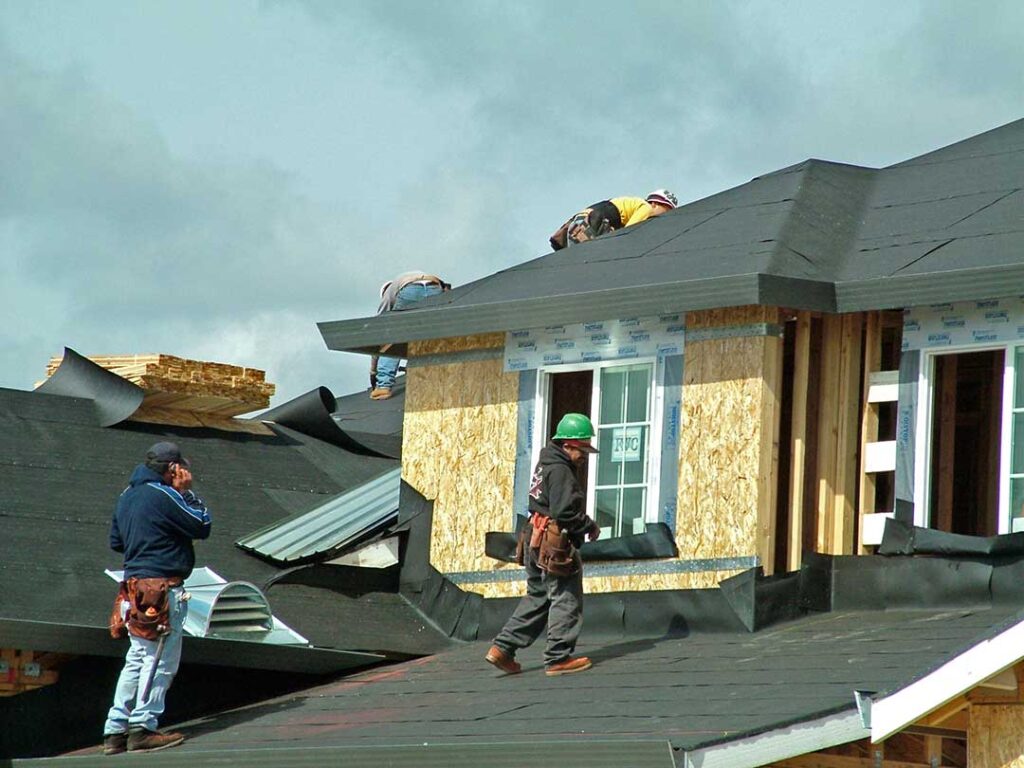
What Are the Main Ways Homeowners in Watervliet, NY Finance a New Roof?
Most local residents use some mix of savings, loans, insurance payments, or home equity to afford a roof replacement. Few families have enough set aside to cover the entire bill upfront, making financing a common concern in the city’s older neighborhoods where roof lifespans are top-of-mind. The best choice depends on your credit, how much home equity you’ve built, and whether storm damage or emergencies are involved.
Roof costs in the area can be significant, especially considering weather swings and historic homes. Understanding the main payment routes helps residents make informed, practical decisions.
What Types of Loans Are Commonly Used for Roof Projects?
The most frequent loan options for roof replacement are home equity loans, home equity lines of credit (HELOCs), personal loans, and government-backed options like FHA Title I home improvement loans.
- Home Equity Loan or HELOC: These are secured by your home, usually at lower interest rates than credit cards or unsecured loans. They’re a popular option for those who have owned their homes for several years and built enough equity. Generally, a lender allows you to borrow up to 80–85% of your home’s value minus existing mortgages. Payments are fixed for home equity loans; HELOCs are more flexible but have variable rates.
- Personal Loan: These are unsecured, meaning your home isn’t collateral. Approval depends on credit history, income, and debt-to-income ratio. The process is often faster, but interest rates tend to be higher than home equity products.
- FHA Title I Loan: This federal program is designed for home improvements, including roofing. It can be a solution for residents who lack substantial equity. Not all lenders participate, and there are restrictions on what can be financed.
Loan terms—interest rates, fees, and payback periods—vary widely. Comparing offers based on the full cost over time, not just the monthly payment, can avoid surprises later.
Is Using Credit Cards for Roofing Ever a Good Idea?
Some households use credit cards for smaller repairs or emergencies, especially if a deductible or up-front payment is needed urgently. However, for an entire replacement, this route is usually a last resort.
Credit cards typically carry much higher interest rates than other forms of financing. Unless you plan to pay the balance off very quickly, carrying a large charge can cause debt to accumulate fast. A careful budget and clear repayment plan are essential if considering this method even for partial costs.
Can Homeowners Insurance Pay for a New Roof?
Homeowners insurance may cover roofing work, but only if the damage is the result of a covered event—typically wind, hail, fire, or a falling tree. Age-related wear, poor maintenance, or gradual deterioration are nearly always excluded.
In Watervliet, where snow and wind damage are seasonal issues, local households should review their policies and photo-document roof condition before and after storms. If you think a storm caused damage:
- Document the issue with photos immediately after the event
- Check your policy for specifics on what roof damage is covered
- File a claim promptly, following all insurer requirements
Even in an approved claim, homeowners are responsible for deductibles, and there may be additional exclusions based on roof age or material. Insurance adjusters can also require an inspection by a certified roofing inspector before approving major replacement work.
Are There Local or State Programs That Can Help Cover Roof Replacement Costs?
There aren’t many large-scale grant or assistance programs specifically for roof replacements, but some households in Watervliet may qualify for help through broader housing assistance.
- Weatherization Assistance Program: For income-eligible families, this state program sometimes covers critical repairs related to energy efficiency, which can include substantial roof or attic work.
- Local Housing Rehab Grants: Depending on city or county initiatives, some residents may access funds for essential repairs if they meet income or age criteria, such as for older adults.
These programs are competitive and usually require paperwork, proof of need, and prioritization of homes in greatest disrepair.
What Should Residents Consider When Comparing Financing Options?
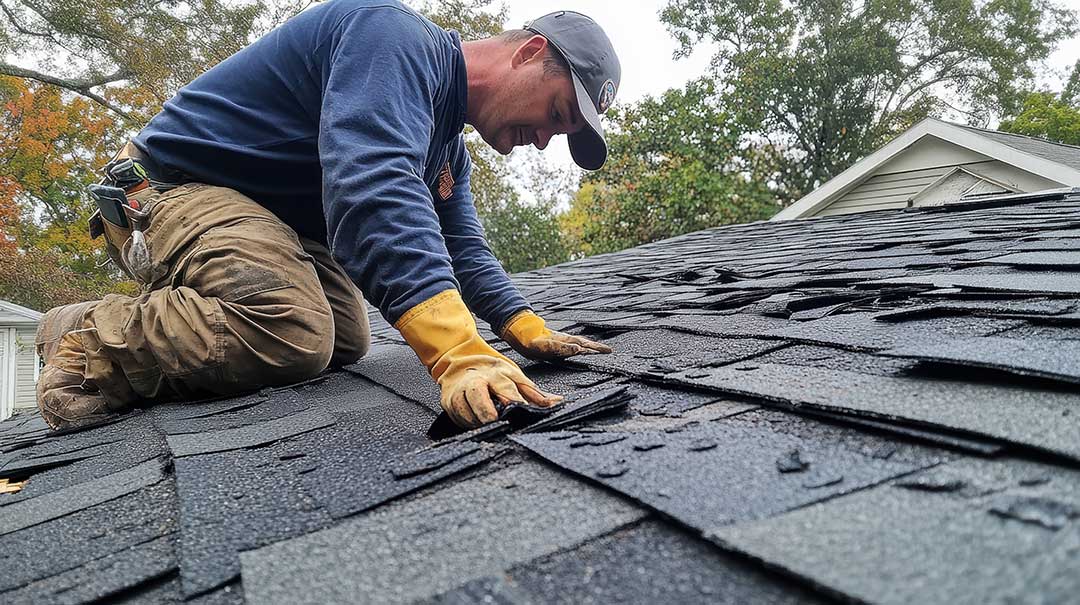
It’s tempting to focus only on monthly costs. However, area homeowners should look at the total interest paid over the life of the loan, any fees for origination or early payoff, and whether fixed or variable rates are offered.
Other practical factors include:
- Speed: Some loans or assistance programs require weeks for approval or inspection. Emergency repairs may not wait.
- Credit impact: Applying for multiple loans can affect credit scores, particularly if requests are made in a short span.
- Flexibility: Some loan products let you pay off early without penalty, which can save money if you’re able to pay more later.
Local banks, credit unions, and reputable online lenders often have comparison calculators or printed guides. Seeking unbiased financial counseling can help clarify the true cost of each option.
How Do People Budget for a New Roof Over Time?
Many local households prepare for major home repairs by slowly building a home repair emergency fund. Even $25–$100 each month into a savings account creates a cushion against future roofing costs.
Other strategies include setting aside tax refunds, occasional windfalls, or annual bonuses specifically for home projects. Residents with older roofs often time replacements to coincide with refinancing, so projects can fold into monthly mortgage payments at a lower blended rate.
What Are Common Mistakes Area Homeowners Make With Roof Financing?
Waiting until an old roof fails completely can force emergency borrowing at high rates or restrict options. Other frequent missteps include:
- Overlooking all loan fees and only looking at the advertised rate
- Not confirming if their project qualifies under insurance or assistance programs before committing to work
- Underestimating the timeline for approval and fund release
- Ignoring local building codes or permit costs, which can affect financing needs
Access to clear, trustworthy information helps city residents avoid financial surprises and keep their homes safe through Watervliet’s changing seasons.
