
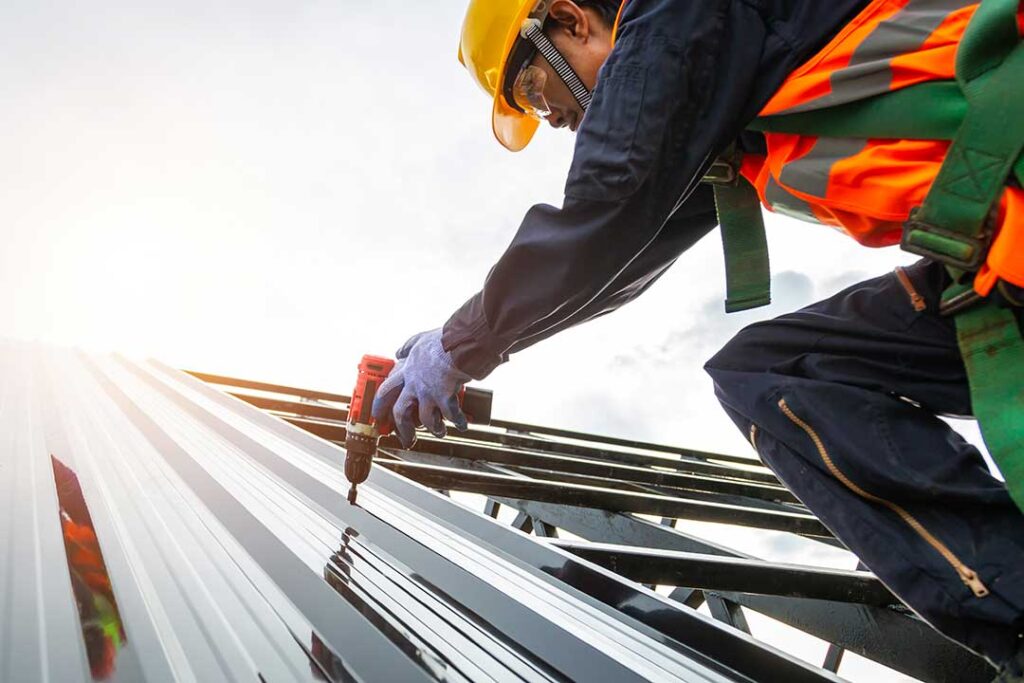
Why Do Roof Repairs Often Go Wrong for Local Residents?
Many households in Watervliet, NY attempt roof repairs to address urgent leaks, weather damage, or ongoing maintenance issues. However, well-meaning homeowners sometimes make critical mistakes that compromise both safety and long-term protection. The city’s four-season climate, with snow, rain, and variable temperatures, makes some repair missteps riskier and can lead to more frequent roof problems than in milder regions.
Can Small Leaks Wait Until Later?
Delaying fixes for minor leaks is a common and costly error. Many residents notice a drip or spot on their ceiling and assume it can be monitored for a while, especially during the winter. In the context of Watervliet’s freeze-thaw cycles, even small leaks can quickly worsen:
- Ice can form in cracks and seams, making gaps bigger each freeze.
- Water may travel along rafters, creating hidden water damage or mold.
- Insurance often doesn’t cover damage from neglect.
Prompt attention to leaks—no matter how minor—helps avoid expensive water damage and health concerns from mold growth.
What Happens When the Wrong Materials Are Used?
Improvising with mismatched shingles, non-weather-rated sealants, or hardware not rated for Northeast weather can undermine an otherwise careful repair. Some pitfalls include:
- Using indoor-grade sealants that deteriorate quickly in rain or snow.
- Patching with leftover shingles that don’t match the roof’s material or thickness.
- Choosing fasteners that rust or pull free when exposed to fluctuating temperatures and moisture.
Homes in Watervliet typically have roofing materials selected for both snow load and local humidity. Repairs using the wrong type of shingle or sealant tend to fail surface bonding, letting water and ice in around the patch.
Is Overlooking Underlayment Problems a Serious Issue?
Covering up damaged shingles without checking what’s beneath is a frequent oversight. The underlayment (the weatherproof layer between shingles and decking) is critical for shedding water, especially during heavy spring rains or snow melt. Failing to address underlying deterioration can lead to:
- Rotting roof decking, requiring expensive structural repairs.
- Moisture build-up that fosters mold inside attics.
- Entire repaired sections needing redo after the next storm.
Thorough inspection and attention to underlayment issues provide a much better chance of a durable fix.
Are DIY Repairs Without Proper Safety Precautions Risky?
Many residents try roof repairs themselves, especially on single-story homes. However, safety shortcuts—like skipping fall protection or attempting repairs on steep or icy roofs—have real consequences.
- Slips and falls are among the most common home repair injuries in the area.
- Local hospitals see traumatic injuries each winter from roof work after storms.
- Working near overhead power lines or in windy conditions increases hazards.
On particularly steep roofs or during icy seasons, tackling repairs without the right safety gear can put homeowners at significant risk.
Why Do Seemingly Small Ventilation Errors Cause Big Issues?
Ignoring attic ventilation—by blocking soffit vents during insulation projects or sealing roof vents too tightly—can cause as much trouble as a poor shingle patch. Proper ventilation is crucial for several reasons:
- Prevents condensation that can rot wood and dampen insulation effectiveness.
- Limits ice dam formation by keeping the roof cold and allowing snow to melt evenly.
- Helps reduce summer attic heat, saving on cooling costs.
In homes across Watervliet, especially older homes with variable attic spaces, overlooked ventilation makes roofs more likely to develop subtle water damage and premature aging.
What Are the Dangers of Improper Flashing Repairs?
Reusing old flashing, or applying caulk rather than new metal at chimney joints or skylights, can lead to recurring leaks. Flashing directs water away from seams and roof penetrations; neglecting it can result in:
- Water entering wall cavities, leading to stains, warped plaster, or mold.
- Quick reappearance of leaks after heavy rainfall or snow melt.
- Ongoing hidden structural issues that are expensive to fix later.
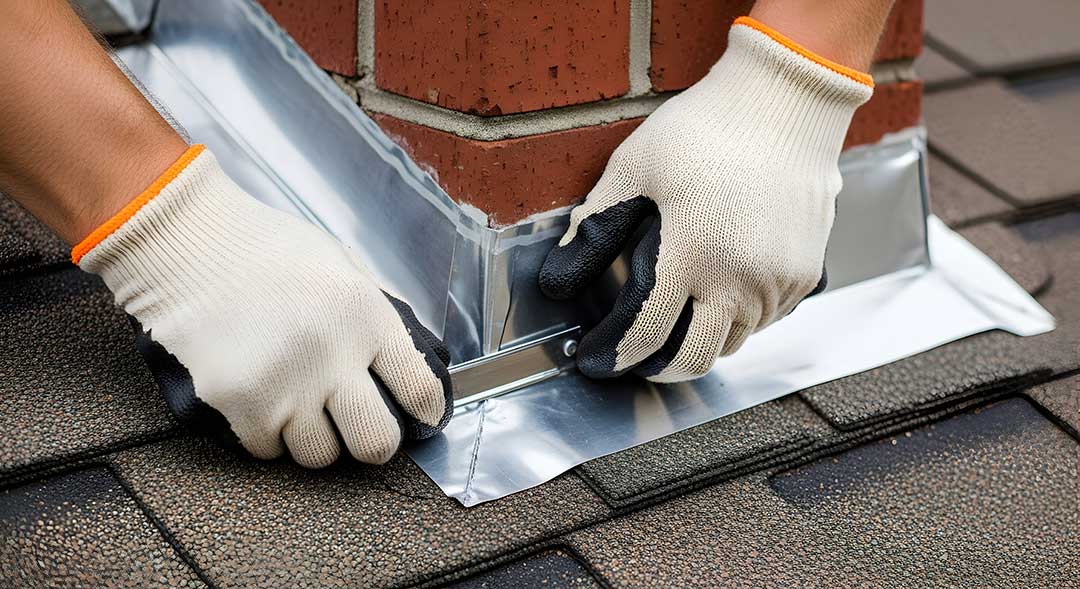
Watervliet’s mix of older homes with brick chimneys and newer constructions with roof vents means proper flashing is critical for all roof types.
Are Shortcuts with Nail Placement and Shingle Alignment Harmful?
Incorrect placement of shingles or nails—such as nailing above the designated strip or failing to overlap shingles properly—is a frequent DIY mistake. In local neighborhoods, this error often leads to:
- Shingles blowing off during strong winds or storms.
- Water seeping beneath the roofing, causing rot or mold.
- Repairs that are visible from the street due to uneven lines or mismatched patterns.
Consistent, correct shingle pattern and fastening are essential, especially in a city where wind gusts and snow loads put additional stress on roofs.
Should Gutters Be Checked During Roof Repairs?
Neglecting gutters during roof work is common but can cause major headaches. Clogged or misaligned gutters:
- Let water pool on roof surfaces and under shingles, leading to leaks.
- Contribute to ice dams along the eaves during winter.
- Result in damage to exterior walls, siding, or foundations.
Regular gutter cleaning and ensuring downspouts are clear help protect both the roof and the overall structure, especially after repairs or storm events.
What’s the Risk of Failing to Check Local Rules or Permit Requirements?
Some homeowners skip permit checks for minor patch jobs or repairs. However, Watervliet’s building codes occasionally require permits for substantial roofing work to ensure structural safety and compliance with weather resistance standards. Risks include:
- Being required to redo unauthorized work that doesn’t meet code.
- Problems with resale if records show unpermitted projects.
- Delays in insurance claims related to unresolved compliance issues.
Checking local requirements, especially for larger projects, protects homeowners from unexpected legal or financial consequences.
How Can Residents Learn from Common Mistakes?
Mistakes happen with roof repairs, even for knowledgeable homeowners. The most practical approach is to recognize warning signs, understand the impact of the local climate, and avoid shortcuts that save time in the moment but cause bigger issues later. Careful planning, attention to detail, and respect for both safety and local building requirements will help Watervliet households keep their roofs in good shape through every season.
