
What Is a Roof Tear-Off and Why Is It Needed?
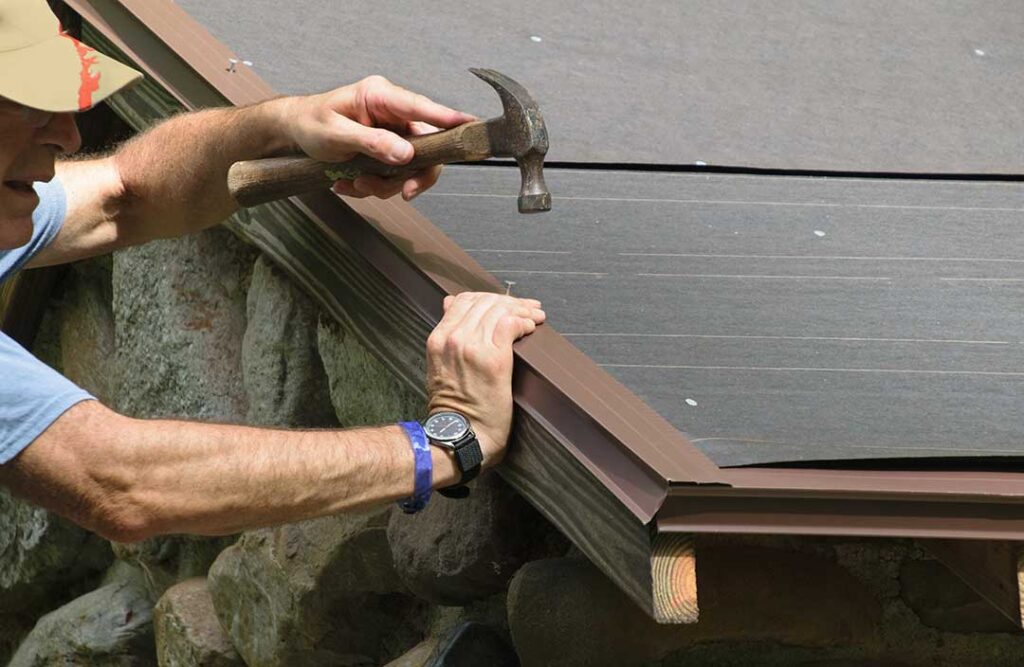
A roof tear-off is the process of completely removing all existing layers of roofing materials down to the wooden decking before installing a new roof. Unlike “roof overlays,” which add new shingles on top of existing ones, tear-offs allow for a thorough inspection of the underlayment and decking. This process is common in Watervliet, NY homes with aging roofs, storm damage, or repeated leaks.
The primary goals of a tear-off are to address underlying damage, prevent future issues, and meet local building codes that often restrict the number of roofing layers permitted. For area households with roofs older than 20 years, or with visible curling, missing shingles, or persistent leaks, a tear-off is generally the step needed for a long-lasting roof.
What Happens During a Roof Tear-Off?
The tear-off process has several stages, each with visible signs and temporary disruptions. Residents should expect:
- Roofers to use rooftop tools to remove all existing shingles, felt, nails, and flashings.
- Material thrown into dumpsters placed near the home, sometimes in the driveway or yard.
- Removal of any layers down to the roof decking (usually wooden boards or plywood).
- Spot checks for rot, water damage, or weak areas in the decking, which will be repaired as needed.
- Installation of new waterproof underlayment and flashing after the deck is cleared and fixed.
- Placement of new roofing materials, from starter shingles or other coverings to ridge cap shingles.
Typical single-family homes in Watervliet may see this process take anywhere from one to three days, depending on roof size, slope, and weather conditions.
Will There Be Noise, Mess, or Disruption?
A tear-off is messier and noisier than most exterior home improvements. Residents should be prepared for:
- Continuous hammering, scraping, and thudding from early morning through late afternoon during the process.
- Dust, debris, and materials landing around the property, despite protective tarps.
- Limited access to driveways, garages, or paths near the home, as equipment or dumpsters may block them.
- Occasional interior vibrations, especially in older houses with less insulation between attic and living spaces.
It’s wise to remove items from attic spaces and cover stored belongings to prevent dust contamination. Many in the community find it helpful to inform neighbors of upcoming work and arrange for children, pets, or anyone sensitive to noise to be elsewhere for parts of the day.
How Does Local Climate Affect the Roof Tear-Off Process?
In the context of Watervliet’s climate, timing a tear-off around weather patterns is important. The tear-off process can leave the interior of the home exposed, so:
- Most projects are scheduled during drier, mild periods between late spring and early fall.
- Sudden summer thunderstorms or heavy fall rains can delay the start or completion; local crews will often tarp the roof securely if a downpour is imminent.
- Winter projects are rare, as snow, ice, and freezing temperatures can cause safety concerns and affect shingle adhesion.
Area households should keep in mind that late spring and early summer are popular times for roof work, occasionally leading to scheduling backlogs. Planning several weeks in advance is common.
What Should Homeowners Watch for During the Tear-Off?
Residents can stay informed and minimize surprises by:
- Requesting an initial walkthrough with the project supervisor to review access points, landscaping features, or delicate areas (like gardens or yard ornaments).
- Keeping vehicles parked away from the work zone to avoid falling debris.
- Checking that tarps are used to protect gardens, decks, and walkways, as well as to catch stray nails or materials.
- Expecting a post-job clean-up—professionals use magnetic rollers to pick up nails and debris; however, a careful walk-through after completion is wise.
It’s common for local households to ask about whether the decking underneath will need replacing. Not all roofs require decking repair, but in Watervliet’s mix of older and newer homes, some unexpected rotten boards or soft spots are often found during tear-off.
Can Homeowners Remain in the House During a Tear-Off?
Generally, it is safe to stay at home through the process. However, it will be noisy and mildly disruptive. For people who work from home or for those sensitive to disturbances, seeking alternative arrangements during the loudest hours may be more comfortable.
Security of the home is typically not at risk; the process does not expose the house interior for more than a short period. Residents may wish to check with the crew or supervisor at the start and end of each workday for updates and access questions.
What Problems or Surprises Can Occur?
Common surprises include:
- Discovery of wet, moldy, or rotten wood underneath old shingles—all require repair before a new roof can be installed safely.
- Pests, such as bees or squirrels, found in attic or underlayment areas—residents should alert the crew if recent animal activity is suspected.
- Hidden layers of old materials placed by past owners, which can add to removal time and landfill costs.
Local regulations in Watervliet require that construction debris is disposed of in approved facilities, so residents may notice dumpsters filling quickly and departing once or twice during the job.
Are There Specific Regulations in Watervliet to Know?
Building codes in the city limit the number of roof layers allowed, most often to two. Local homes that exceed this during inspection must have a full tear-off. Additionally, for historic homes or homes in designated flood zones, permits or added inspections may be required before and after the project.
Homeowners’ associations and local authorities may have additional guidelines about noise, debris, or start-times. Checking municipal and neighborhood regulations before the project starts can prevent miscommunication and unexpected pauses.
What Preparations Can Make the Process Smoother?
A few advance steps can reduce stress for local residents:
- Move vehicles, patio furniture, and breakable items out of the work area.
- Notify neighbors, especially in close-knit blocks or semi-attached homes.
- Take down fragile or valuable items from attic and upper wall spaces, as vibrations may shake them loose.
- Ask about the timeline and clean-up process, especially before family events or gatherings.
By approaching the process as a necessary but temporary disturbance, residents can safeguard their homes and schedules while ensuring the job is done correctly.
