

What Tools Are Truly Needed for Roof Maintenance in Watervliet, NY?
Proper roof maintenance is essential for area homeowners to preserve their property and manage costs, particularly in a climate with cold winters, wet springs, and summer heat. For most residents of Watervliet, roof upkeep is a mix of routine inspection, minor debris clearing, and seasonal care. The tools required are not always specialized, but having the right equipment increases safety and improves results.
Why Prioritize Roof Safety Tools First?
No maintenance task should begin without addressing personal safety. Falls and slips are a leading cause of home repair injuries, especially when roofs are steep, damp, or icy.
The most useful safety tools include:
- A sturdy, extension ladder with anti-slip feet that can reach the height comfortably and is placed on secure, level ground.
- Non-slip footwear with thick rubber soles.
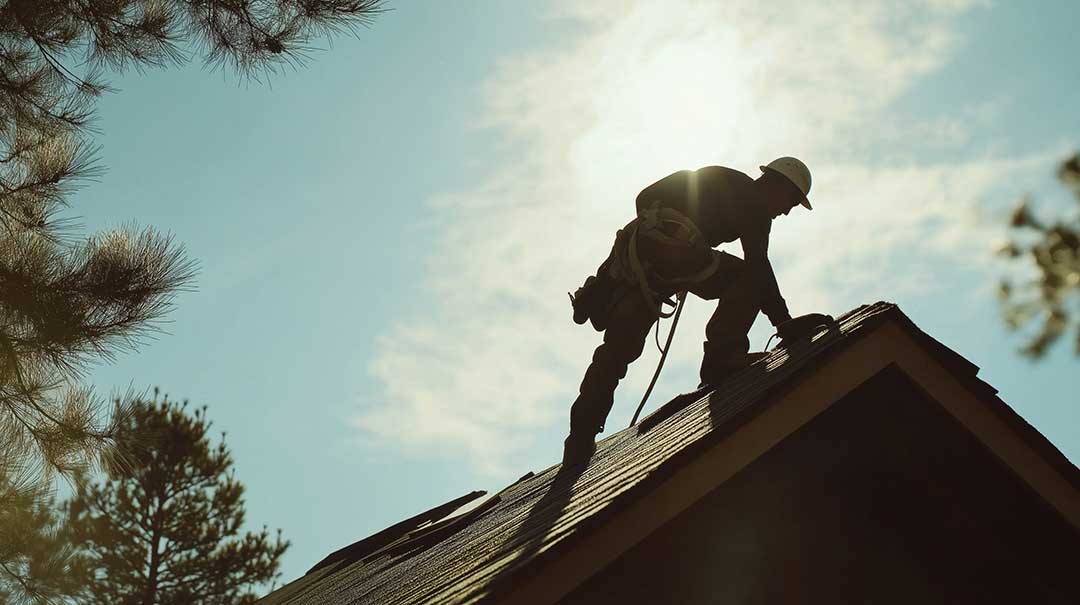
- A safety harness and lifeline, especially for roofs with a pitch above 4/12 or during slippery seasons.
- Heavy-duty work gloves to protect hands from sharp or rough materials.
- Eye protection to prevent damage from flying debris, especially during gutter cleaning or shingle work.
For Watervliet residents with older homes or multi-story structures, starting with the right ladder and safety harness can make higher or steeper roofs much more manageable.
How Can Basic Cleaning and Inspection Tools Help Stop Damage Early?
Regular removal of leaves, twigs, algae, and moss reduces the risk of water-related damage and extends the life of roof materials. Most homes in the city can keep up with routine maintenance using a straightforward set of tools:
- A long-handled roof brush or soft-bristle broom for removing debris gently, without damaging shingles or flashing.
- A plastic roof rake, especially for winter snow removal to prevent ice dams (avoid metal tools to reduce risk of shingle damage).
- A handheld mirror or binoculars, which make it possible to check shingle condition, flashing, and chimneys from the ground or ladder.
- A gutter scoop and bucket to clear gutters by hand, or a hose attachment to flush hard-to-reach sections.
Many area households overlook simple rooftop inspection because of perceived difficulty. Using lightweight, extendable tools lets residents spot potential leaks or blockages before they lead to larger issues—especially in spring and autumn, when debris collects fastest.
What Specialized Tools Might Residents Use for Minor Repairs?
For those comfortable with minor DIY fixes, a small tool kit will cover most routine shingle, flashing, or sealant repairs:
- A flat pry bar for gently lifting shingles or nail removal.
- Roofing hammer or hatchet for installing or securing nails.
- Utility knife for cutting shingles or roofing tape.
- Caulking gun and roof sealant to reseal flashing or patch small cracks.
- Roofing nails, tacks, or replacement shingles if minor reinstallation is necessary.
Local conditions can lead to fastener corrosion or shingle wear, especially after ice storms or periods of high wind. Keeping basic repair tools on hand lets residents handle small issues promptly, extending the roof’s life and minimizing risk before a broader problem develops.
Are There Mistakes to Avoid With Roof Maintenance Tools?
A common misconception is that power washers or harsh chemical cleaners are needed for effective cleaning. In reality, using pressure washers or abrasive tools may strip protective granules from shingles or cause leaks. For nearly all residential roofs, soft-bristle brushes and gentle manual cleaning are sufficient.
Residents should also avoid reusing worn tools (such as frayed ropes or brittle ladders), which can increase accident risks. Checking ladders, harnesses, and footwear every season is a small step that adds up to safer upkeep.
How Does Watervliet’s Climate Influence Tool Selection?
Seasonal changes in this area mean tools must work across multiple weather conditions. For example:
- Snow roof rakes are especially helpful for clearing heavy drifts before freeze-thaw cycles.
- Gutters clog easily in neighborhoods with mature trees; a gutter scoop and hose attachment become essential from late October into November.
- Algae-resistant and UV-stable sealants are most effective for patching and flashing, as they withstand local cycles of freeze, thaw, and spring sunlight.
Selecting durable, cold-resistant tools ensures longer equipment lifespans and easier maintenance, even in harsh winters or humid summers.
When Should Local Residents Consider Additional Help?
While most upkeep involves cleaning and visual inspection, tasks like repairing loose flashing, replacing structural roof decking, or working on steep or multi-story homes can be beyond standard household tools. For jobs involving:
- Roof sections with severe rot or unseen structural issues
- Chimney or vent repairs requiring masonry tools
- Persistent or spreading leaks after DIY attempts
It is best for residents to seek advice on safe methods or consult with public safety guidelines.
Focusing on straightforward safety gear, cleaning implements, and simple repair tools will help the majority of residents keep their homes protected and manage the seasonal demands of maintaining a rooftop in the region.
