
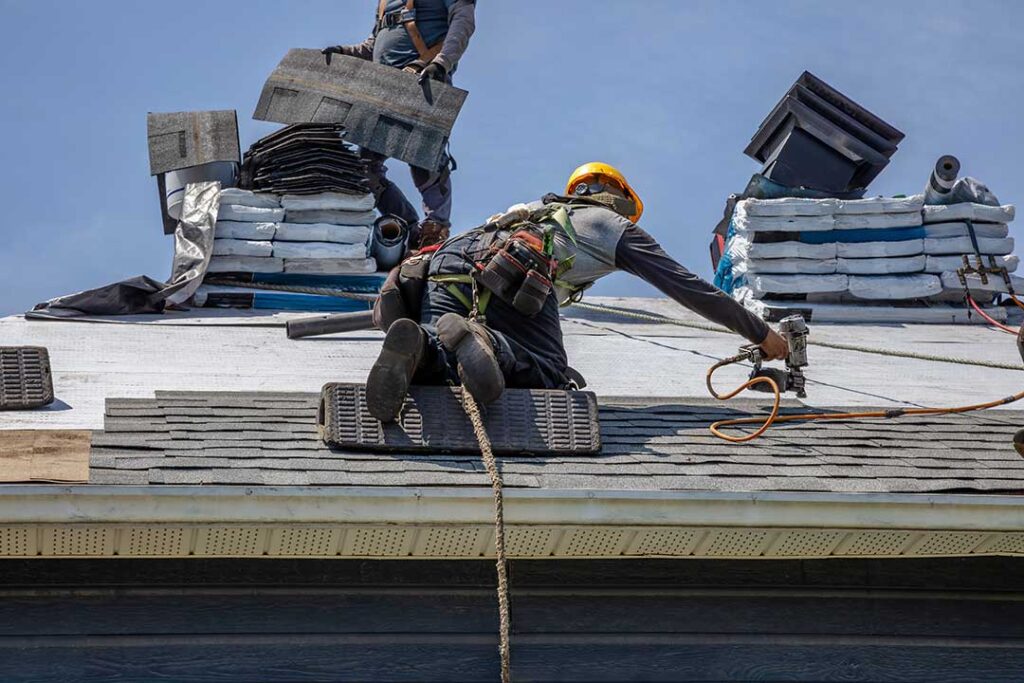
Why Might Residents Need to Walk on a Roof?
For many Watervliet, NY households, accessing the roof becomes necessary for basic maintenance tasks like cleaning gutters, inspecting shingles, or clearing debris after a storm. While some tasks can be observed from the ground, certain jobs do require physically being on the roof. However, walking on a roof carries real risks. Understanding when it’s safe—and when to stay on the ground—helps local residents avoid unnecessary injuries.
What Makes Walking on Roofs Risky in Watervliet, NY?
The physical structure of residential roofs, combined with the climate in Watervliet, creates significant hazards for untrained individuals. Sloped surfaces, unpredictable footing, and the potential for slippery conditions from rain, moss, or ice make every step a calculated risk. Add in strong seasonal winds or sudden temperature changes, and even a minor misstep can cause a fall. Annually, falls from ladders and roofs are a leading cause of home injuries across the region.
How Should You Prepare Before Stepping on a Roof?
Before considering stepping onto a roof, take the following steps to reduce risk:
- Check weather conditions. Surfaces remain slick after rain, dew, or snowfall. Wait for dry, calm periods.
- Inspect the roof from the ground to identify soft spots, missing shingles, or other hazards.
- Dress for safety: choose shoes with soft rubber soles for good traction and avoid loose-fitting clothing that could snag.
- Plan your path. Aim to step only where you need to go and avoid changing direction on steep sections.
- Notify someone you trust before beginning. Have them check in if you're not finished after a reasonable period.
Bringing lightweight tools in a securely fastened tool belt frees both hands, allowing for better balance and reaction in case of an unexpected slip.
What’s the Safest Way to Get onto a Roof?
The transition from the ground to the roof is one of the most dangerous moments. Use an extension ladder rated for your weight. The ladder should be placed on solid, level ground and extend at least three feet above the edge of the roof to allow for a handhold as you step on or off.
- Use the “three points of contact” rule: two hands and one foot, or two feet and one hand, should always be on the ladder.
- Never step onto a roof from a ladder that is unsteady or not properly angled (typically one foot out for every four feet up).
- Secure the ladder top if practical, using rope or bungee cords tied to a stable eave or gutter support.
Which Roofing Materials Are Most Slippery or Fragile?
Not all roofs are equally safe to walk on. In Watervliet, most residential homes have asphalt shingles, but some may have slate, metal, or older materials that require extra caution:
- Asphalt shingles usually offer fair grip, but algae or moss makes them slippery.
- Metal roofs become dangerously slick with even a trace of moisture.
- Slate or tile roofing can easily crack or shift underfoot, risking both personal injury and significant property damage.
To avoid missteps, always test the first step by applying gentle pressure before committing your weight. Avoid walking near the edge or on visibly damaged areas.
Are Safety Harnesses Necessary for Homeowners?
Harnesses and fall protection are essential for any project near the roof edge or for tasks lasting more than a few minutes, especially if the roof pitch is steep. While not always required by law for homeowners, modern safety harnesses with roof anchors or temporary lifelines are widely available. Using harnesses significantly reduces the risk of falls for local residents—especially during repetitive maintenance or seasonal cleaning that requires more time on the roof.
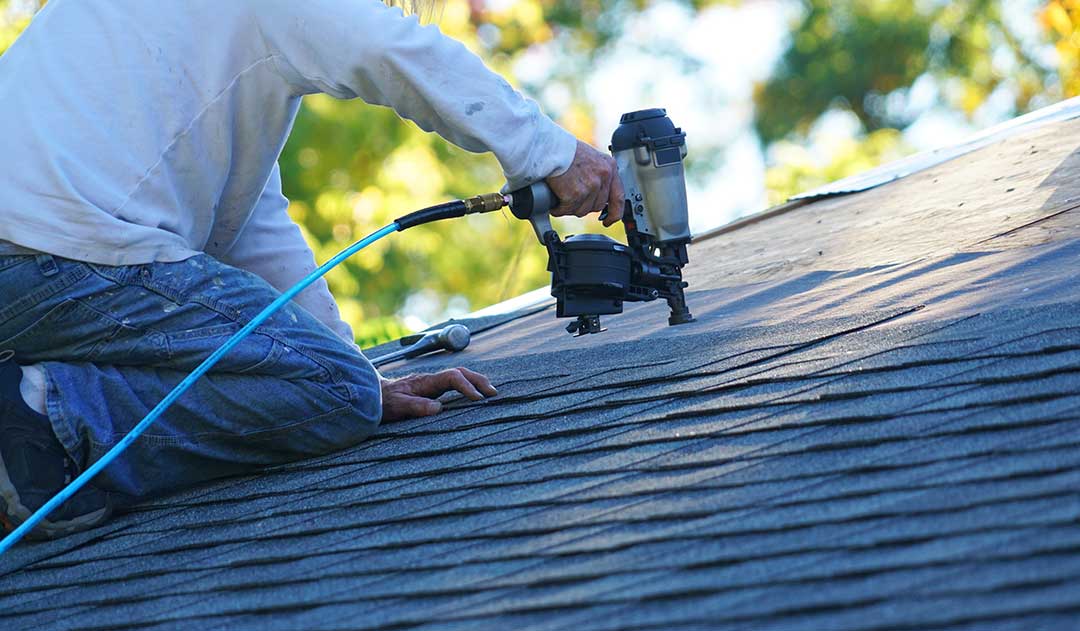
Harnesses are particularly important in the winter months, when slip hazards increase, or for any repair work following storms that might have loosened shingles or flashing.
What Weather Conditions Should Homeowners Avoid?
For area households, weather is a critical factor in deciding whether to access the roof. Even small amounts of overnight frost, leftover snow on shaded north-facing slopes, or a brief rainshowers can make roofing surfaces treacherous. Local wind gusts are also unpredictable and have been known to knock residents off balance unexpectedly.
- Wait until all surfaces are dry and free of frost, snow, and ice.
- Skip roofing projects on windy days—even moderate breezes increase fall risk.
- Avoid working outdoors during electrical storms or if thunderstorms are possible later in the day.
How Can Area Residents Minimize Damage While on the Roof?
Unintentional roof damage is common when walking without awareness of structural details. Avoid stepping on:
- Soft spots, which indicate weakened plywood or water damage.
- Roof valleys, where multiple roof lines meet and flashing may be vulnerable.
- Ridges and hips, as shingles are more likely to crack at these locations.
Spread out your weight by crouching or keeping your center of gravity low, and never jump or make sudden movements on the roof. Walk slowly, adjusting your steps as you evaluate the surface in front of you.
What If You Discover a Structural Weakness While on the Roof?
If you feel the roof sag or a section gives slightly under your foot, back away slowly along the same path you used to enter. For obvious signs of rot, extensive cracking, or a visible hole, evacuate the roof immediately. Structural problems in older housing stock—common in Watervliet—require a qualified assessment before any further foot traffic to avoid collapse risk.
Should Residents Ever Access Their Roofs Alone?
While some minor roof tasks are manageable for careful homeowners, avoid climbing onto the roof alone whenever possible. Notify a neighbor or family member before starting any project, and keep your mobile phone on your person in case of falls or sudden emergencies. Many accidents become serious only because help is not immediately available.
