
Why roof valleys deserve close attention
In Watervliet, NY, roof valleys are exposed to repeated cycles of rain, snow, ice, wind, and freeze-thaw movement. Because valleys collect water from two roof slopes, they often experience more drainage pressure than surrounding shingles.
A roof valley is the inside angle where two roof sections meet. Properly built valleys use flashing or a membrane system beneath the shingles to guide water toward the eaves. If that drainage path becomes damaged, blocked, or poorly sealed, water can enter the roof assembly even when most of the roof still looks serviceable.
Valley problems are easy to overlook from the ground. The clearest warning signs may appear inside the attic or on ceilings rather than on the roof surface.
What does a failing roof valley look like from the ground?
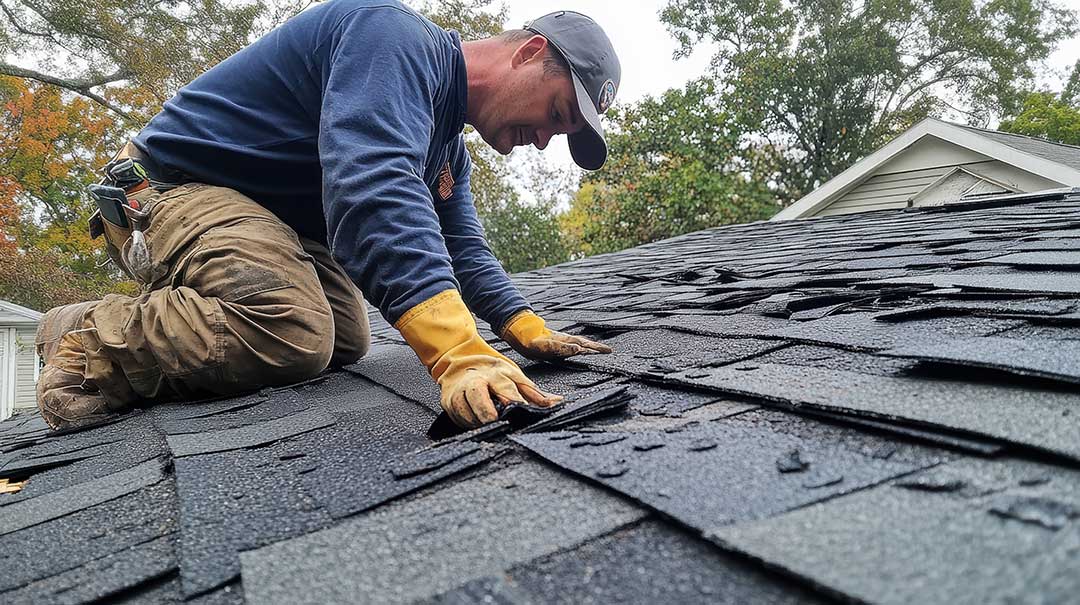
A failing valley may show displaced shingles, exposed underlayment, rusted metal, or dark staining. These signs do not always mean a leak is active, but they indicate that the valley should be examined more closely.
Look for:
- Shingles that curl, lift, crack, or slide toward the center of the valley
- A visible gap between shingles and the valley lining
- Missing granules collected below the valley
- Rust, holes, wrinkles, or open seams in exposed metal flashing
- Dark streaks or moss concentrated along the valley
- Water marks on the fascia, soffit, or exterior wall below the valley
- Debris lodged where the two roof slopes meet
A valley should generally form a consistent, unobstructed channel. Shingles that interrupt the channel, narrow it unevenly, or have been cut roughly may allow water to move sideways beneath the roofing material.
From ground level, binoculars can help identify obvious problems without requiring anyone to climb the roof. A close inspection should not be attempted during wet, icy, windy, or snowy conditions.
Which indoor signs suggest a valley leak?
Interior staining near an upper corner, chimney-like roof intersection, or ceiling slope can point to valley leakage. Water may travel along rafters and roof decking before appearing in a different location from the actual entry point.
Possible indoor warning signs include:
- Brown or yellow ceiling stains
- Damp drywall near an outside wall
- Peeling paint or bubbling finish
- Soft, swollen, or discolored wood in the attic
- Musty odors after rain
- Wet insulation
- Mold-like growth on roof sheathing
- Drips that appear only during heavy rain or snowmelt
A leak that appears occasionally can still cause significant damage. Intermittent leaks are often associated with wind-driven rain, melting snow, or ice buildup rather than ordinary rainfall. The absence of a steady drip does not prove that the roof is dry.
Attic inspection is safest when performed from the floor or a stable access area. Stepping between ceiling joists can damage drywall, insulation, or a person’s footing. Electrical wiring, nails, and unstable framing create additional hazards.
How can seasonal weather expose weak valleys?
Cold-weather conditions can reveal defects that remain hidden during dry seasons. Snow and ice may block normal drainage, while repeated freezing and thawing can enlarge small openings around flashing, fasteners, and shingle edges.
In the local climate, pay particular attention after:
- Heavy snow followed by warmer temperatures
- Several freeze-thaw cycles
- Wind-driven rain
- Rapid snowmelt
- Ice accumulation along lower roof edges
- Storms that leave branches or other debris on the roof
A valley does not have to be filled with ice to leak. If water is slowed by snow or debris, it may back up beneath shingles and enter through a weak seam. The leak may continue after the visible snow has disappeared because wet insulation and roof decking can retain moisture.
Snow should not be removed from a roof by walking on it or scraping aggressively. Improper snow removal can damage shingles and flashing, creating the very openings a homeowner is trying to prevent.
What is the difference between a valley problem and roof condensation?
Not every attic stain comes from a roof valley. Condensation can create similar symptoms, especially during cold weather when warm, moist household air reaches a poorly ventilated attic.
Valley-related leakage is more likely when:
- Staining worsens after rain or snowmelt
- Moisture is concentrated beneath a roof intersection
- Water marks follow the slope of the roof
- The roof decking is wet in one localized area
- Exterior valley materials show visible damage
Condensation is more likely when moisture appears across large areas of the attic, around nails, or on the underside of the roof deck during cold periods. Bathroom or kitchen exhaust directed into the attic can also contribute to widespread moisture.
The two problems can occur together. A damp attic may make wood and insulation more vulnerable, while a leaking valley can be mistaken for a ventilation issue. Finding the actual moisture path matters because improving airflow will not repair damaged flashing, and replacing flashing will not correct excessive indoor humidity.
Can moss or leaves cause valley failure?
Leaves, twigs, and other debris can contribute to valley problems by slowing drainage and keeping roofing materials wet. Organic debris may also hide cracks, lifted shingles, or corrosion.
Moss is not automatically proof that a roof is failing. However, heavy moss growth can lift shingle edges, retain moisture, and make it harder to see the valley surface. Removing moss with pressure washing or forceful scraping can strip granules and shorten shingle life.
A safer approach is to avoid walking on the roof and to observe whether debris repeatedly collects in the valley after storms. Nearby trees, roof design, and the direction of prevailing weather can all affect how much material accumulates.
When does a valley problem require prompt attention?
Prompt attention is warranted when water is actively entering the home, the roof deck feels soft, or flashing has separated from the roof surface. Wet insulation, sagging drywall, and electrical fixtures near a leak increase the urgency.
Immediate safety concerns include:
- Water near electrical wiring, outlets, or light fixtures
- A bulging ceiling
- Sagging roof decking
- Large areas of wet insulation
- Strong mold or musty odors
- Visible daylight through the roof assembly
- A roof surface covered in ice or unstable snow
If a ceiling is bulging from trapped water, keep people away from the area and avoid puncturing it unless an appropriate safety plan is in place. Water may spread unpredictably, and the ceiling material may be weakened.
A roofing inspection may be necessary when the source cannot be identified from a safe location, when damage involves structural wood, or when temporary measures have not stopped the leak. Roof work is hazardous, particularly during winter and wet weather, and repairs may also need to comply with applicable building requirements.
Are valley leaks always caused by old shingles?
No. Valley leaks can develop on relatively new roofs because of installation defects, storm damage, incorrect flashing details, clogged drainage, or movement at roof intersections.
Age increases the likelihood of brittle shingles and deteriorated sealants, but it is not the only factor. A newer roof can still fail if the valley was cut incorrectly, fasteners were placed where water flows, or a membrane was damaged during installation.
A useful inspection considers the entire drainage path: the upper roof slopes, valley lining, shingle arrangement, lower edge, gutters, and interior attic space. Repairing only the visible shingle may not address damage beneath the surface.
What should residents document after spotting a warning sign?
Photographs and notes can help track whether a suspected problem is changing. Record the date, recent weather, location of interior staining, and whether the issue appears after rain, melting snow, or strong wind.
Useful documentation includes:
- Wide photographs showing the roof area and nearby features
- Close photographs of displaced or damaged materials
- Indoor photos of stains or damp areas
- Notes about odors, drips, or changes in ceiling texture
- A record of temporary actions, such as moving belongings away from a leak
Do not rely on sealant spread over a wet or dirty valley as a permanent solution. Surface patches may hide the source while water continues moving beneath the roofing system. A proper evaluation should determine how water is entering, how far moisture has traveled, and whether the decking or framing has been affected.
