
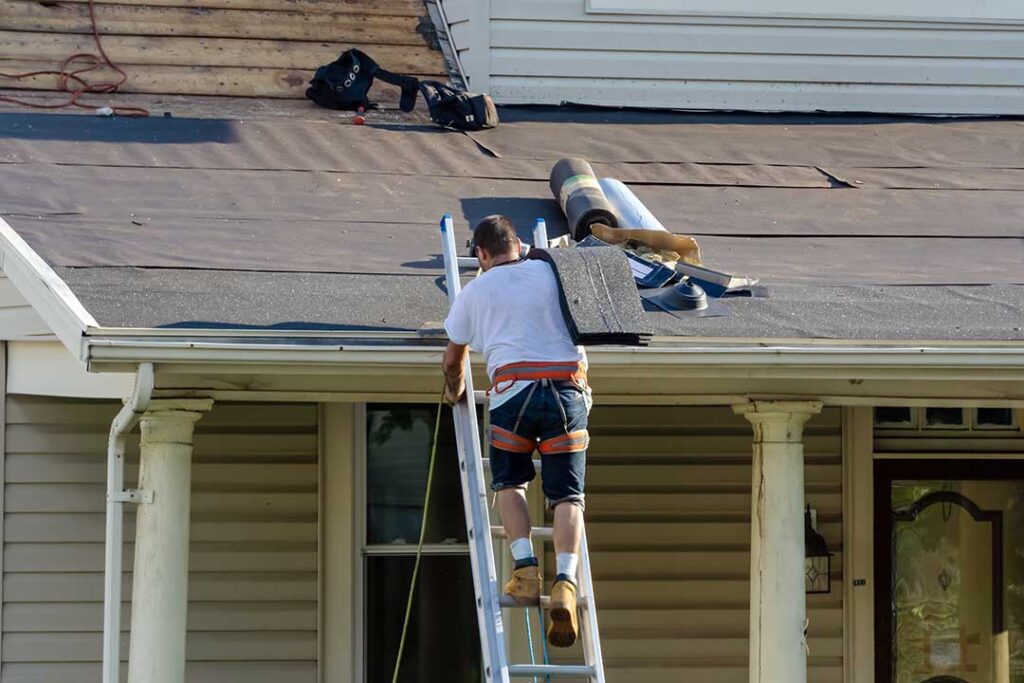
What does the roofing process involve?
For homeowners in Watervliet, NY, roofing work usually follows a predictable sequence: inspection, planning, material selection, preparation, installation, cleanup, and final review. The exact process depends on whether the roof needs a small repair, a partial replacement, or a complete tear-off and replacement.
Understanding the stages makes it easier to recognize what should happen, what questions deserve clear answers, and which conditions may affect the schedule.
How is a roof evaluated before work begins?
The process starts with an inspection of the roof system, not just the visible shingles. A proper evaluation considers the surface, underlying materials, drainage paths, ventilation, flashing, and areas where the roof meets walls or other structures.
The inspection may look for:
- Missing, cracked, curled, or loose shingles
- Soft areas in the roof deck
- Water stains or damp insulation in the attic
- Damaged flashing around chimneys, vents, skylights, and wall intersections
- Blocked or undersized drainage components
- Algae, moss, or debris that may hold moisture
- Signs of poor attic ventilation or excessive condensation
A roof can appear acceptable from the ground while still having hidden deterioration. Interior attic evidence, such as darkened wood, rusty fasteners, wet insulation, or musty odors, can help identify problems that are not visible from outside.
How is it decided whether to repair or replace the roof?
A repair is generally more appropriate when the damage is limited, the surrounding roofing remains serviceable, and the underlying structure is sound. Examples include replacing a small number of damaged shingles, correcting a flashing problem, or sealing a localized penetration.
Replacement becomes more likely when damage is widespread or when the roofing has reached the later part of its useful life. A roof may also need replacement if repeated repairs are addressing symptoms rather than the underlying issue.
Important factors include:
- The age and condition of the existing roofing
- The number and location of leaks
- Whether the roof deck has moisture damage
- The number of previous roofing layers
- The condition of flashing and ventilation
- The expected cost of continued repairs compared with broader work
A single ceiling stain does not always indicate that the entire roof has failed. Water can travel along rafters, decking, insulation, or framing before appearing indoors, so the visible stain may not be directly below the entry point.
What planning happens before installation?
Before work begins, the scope should be clear. This includes the areas being repaired or replaced, the expected materials, ventilation work, flashing details, protection for landscaping and exterior surfaces, and the handling of old roofing materials.
In Watervliet, seasonal conditions can affect planning. Snow, freezing temperatures, spring rain, summer heat, and autumn debris all create different working conditions. Roofing materials also have temperature and weather limitations, so a short delay may be necessary if conditions are unsafe or could affect installation quality.
Planning should also account for:
- Access to the property
- Protection of walkways, windows, siding, and nearby outdoor items
- Temporary exposure of the roof during removal
- Possible discovery of damaged decking
- Local permit or inspection requirements, where applicable
- Safe storage of materials and removal of debris
A written description of the work is useful because it separates expected work from possible additional conditions discovered after the roof covering is removed.
What happens during roof removal?
For a full replacement, the existing roofing is typically removed in controlled sections. This allows the roof deck to be examined before new materials cover it.
The roof deck is the structural surface beneath the shingles or other roof covering. It must be reasonably solid and dry enough to support the new system. Sections weakened by long-term leaks, trapped moisture, or decay may need to be replaced.
Removal can reveal issues that were not visible during the initial inspection, including:
- Rotted or delaminated decking
- Multiple old roofing layers
- Improperly installed flashing
- Hidden gaps around penetrations
- Inadequate ventilation openings
- Evidence of previous leaks or temporary repairs
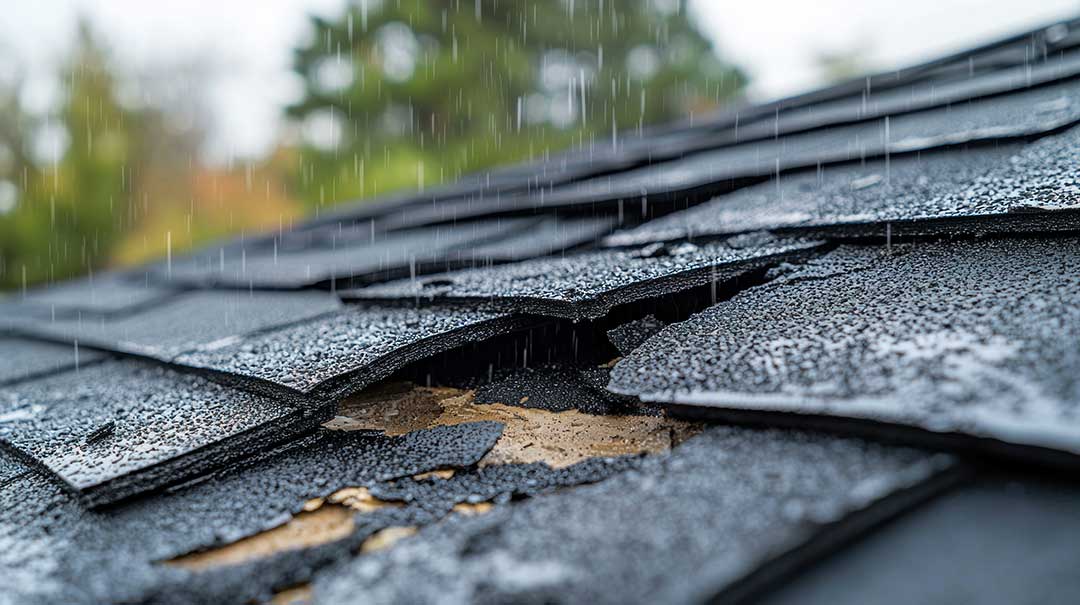
Not every unexpected condition means the original evaluation was careless. Some problems remain concealed until the covering is removed. The important issue is whether the condition is documented and explained before additional work proceeds.
How is a new roof installed?
A roof is a system with several layers, and each layer has a specific purpose. Although materials vary, installation commonly includes a roof deck, underlayment, edge protection, flashing, ventilation components, and the finished roof covering.
The sequence often includes:
1. Preparing and repairing the roof deck
2. Installing edge protection along vulnerable roof edges
3. Applying underlayment to help manage water beneath the outer covering
4. Installing flashing around penetrations, valleys, walls, and other transition points
5. Placing the selected roofing material according to its installation pattern
6. Installing ridge or other ventilation components where appropriate
7. Completing areas around vents, chimneys, skylights, and roof-to-wall intersections
Flashing deserves particular attention because many leaks begin where two surfaces meet. Shingles alone cannot reliably protect these transitions. Water-shedding design, correctly placed layers, and secure attachment are all part of a durable roof system.
Why do ventilation and insulation matter?
Roof ventilation helps manage heat and moisture in the attic. It does not replace insulation, and adding vents without considering the whole attic system may not solve a moisture problem.
Poor attic conditions can contribute to:
- Condensation on cold surfaces
- Damp insulation
- Mold growth
- Premature deterioration of roof materials
- Ice buildup along roof edges during freezing weather
- Higher indoor humidity and uneven temperatures
In cold-weather seasons, warm air escaping into the attic can melt snow on the warmer portions of a roof. Water may then refreeze near colder edges. This pattern is commonly called an ice dam. Ventilation, air sealing, insulation, and proper drainage all influence the risk.
How long does roofing work take?
The duration depends on roof size, design complexity, weather, material availability, crew size, and the condition of the roof deck. A straightforward roof may be completed relatively quickly, while a steep, complicated, or heavily damaged roof can require more time.
Weather interruptions are not necessarily a sign of poor planning. Rain, strong winds, lightning, snow, or unsuitable temperatures can create safety problems and affect the performance of roofing materials. Work should resume only when conditions allow the roof to be protected properly between stages.
During the project, household members may notice noise, vibration, temporary changes in access, and debris around the work area. Children and pets should be kept away from the perimeter because nails and other sharp materials can fall or remain hidden in grass and soil.
What should happen after installation?
A final review should confirm that the roof surface is complete, drainage paths are clear, flashing is properly integrated, and debris has been removed. The surrounding ground and exterior surfaces should also be checked for loose fasteners or discarded materials.
Homeowners should keep records of:
- The date and scope of the work
- Materials used
- Areas where decking or flashing was replaced
- Any maintenance instructions
- Documentation related to permits or inspections, if applicable
- Photos showing concealed repairs before they were covered
Afterward, periodic inspection is useful, especially after major wind, heavy snowfall, or severe weather. Gutters and downspouts should remain clear, branches should not rub against the roof, and attic spaces should be checked for new moisture signs.
A sound roofing process is not simply the installation of a visible outer layer. It is the careful coordination of structure, water control, ventilation, materials, weather conditions, and safe work practices from the first inspection through the final cleanup.
