
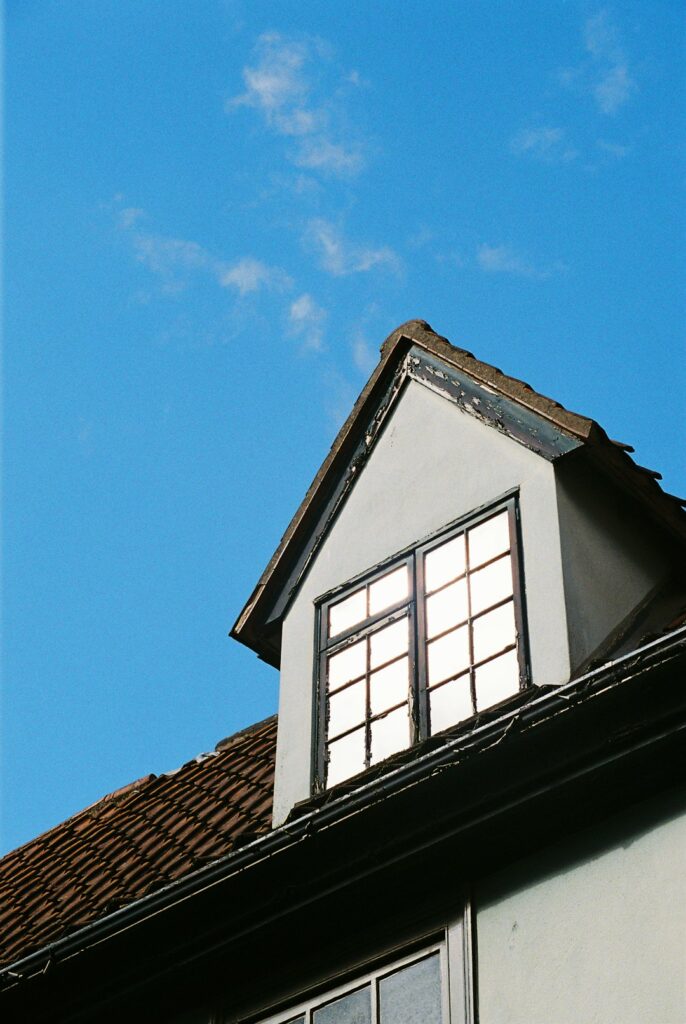
How do pests get into a roof?
Pests usually enter through small openings where roofing materials, siding, vents, pipes, or chimney flashing meet. A gap does not need to be large: mice can squeeze through openings about the width of a dime, while insects may use cracks that are barely visible.
In Watervliet, NY, seasonal temperature changes, snow, wind, rain, and freeze-thaw cycles can gradually enlarge weak spots around a roof. Older homes may also have worn flashing, aging soffits, loose trim, or previous repairs that leave narrow entry points.
Common roof access points include:
- Damaged or missing shingles
- Loose metal flashing around chimneys, skylights, and roof edges
- Openings around plumbing vent pipes
- Gaps in soffits and fascia
- Unscreened ridge, gable, or roof vents
- Broken attic louvers
- Uncapped or damaged chimneys
- Holes made by squirrels, birds, or insects
- Roof-to-wall junctions and additions
- Areas where branches rub against the roof
Once an animal reaches the roof, it may enter the attic through the exterior roof covering or through connected areas such as soffits, gables, and wall cavities.
Which pests are most likely to enter a roof?
The animals found in an attic depend on the season, building design, nearby trees, and available food and shelter. Rodents, squirrels, bats, birds, and insects are common examples.
Mice often enter through foundation, siding, or utility openings before reaching the attic, but they can also use roofline gaps. Squirrels are capable climbers and may chew through fascia, soffit panels, roof edges, or attic vents. Their activity is often most noticeable during daylight.
Birds may enter through damaged vents, open chimney tops, or missing sections of roof edging. They can bring nesting material into the attic and block ventilation openings.
Bats generally use very narrow gaps around flashing, roof joints, soffits, and vents. They may enter during warm months and become more noticeable when young bats begin moving around.
Insects can reach roof spaces through even smaller cracks. Carpenter ants, wasps, bees, and certain beetles may use damp wood, decayed trim, or openings near vents and eaves. Some insects do not live in the roof itself but use the attic as a route into wall cavities.
Why are roof edges and soffits common entry points?
Roof edges are vulnerable because several building components meet in a small area. Shingles, drip edges, fascia, soffits, gutters, and wall materials must work together to keep out water and animals. If one component pulls loose or becomes damaged, a pest may exploit the opening.
Soffits are especially important because they help ventilate the attic. A damaged or missing soffit panel can leave a direct path into the roof structure. Even when the panel appears intact, an animal may enlarge a weak section by chewing or pushing against it.
Fascia boards can also develop rot where water backs up from clogged gutters or where sealants have failed. Soft wood is easier for squirrels and other animals to damage.
Gutter problems do not automatically create an attic entry point, but overflowing water can contribute to wet trim, deteriorated roof edges, and hidden wood damage. In areas that receive snow and repeated freezing and thawing, these weaknesses may become more pronounced over time.
Can pests enter through roof vents?
Yes. Roof vents can allow pest entry if screens are missing, damaged, poorly fitted, or blocked away from their intended openings.
Attic ventilation systems may include ridge vents, box vents, turbine vents, gable vents, and soffit vents. These openings require durable screening that allows air movement while limiting access by birds, rodents, bats, and insects.
A vent can appear functional from the ground while still having a damaged screen underneath its cover. Wind-driven debris, ice, animals, or aging materials may create gaps that are difficult to see without a close inspection.
Blocking a vent with improvised materials can create a separate problem by reducing attic airflow. Any repair should preserve the vent’s function rather than simply sealing the opening.
How do chimneys and roof penetrations create access?
Chimneys, plumbing vents, electrical conduits, skylights, and other roof penetrations interrupt the continuous surface of the roof. Each interruption depends on flashing, sealants, collars, or protective caps to prevent water and pest entry.
A damaged chimney cap may allow birds, squirrels, or other animals to enter the flue or nearby attic area. Loose masonry, deteriorated mortar, and failed flashing can create additional gaps.
Plumbing vent pipes are usually surrounded by rubber, metal, or composite flashing boots. These materials can crack or shrink with age. A damaged boot is primarily a water-entry concern, but the surrounding opening may also become accessible to insects or small animals.
Skylights and roof additions have multiple seams and flashing transitions. Poorly sealed corners, lifted materials, or damaged surrounding shingles can provide openings that are not obvious from inside the living space.

What signs suggest pests are entering through the roof?
The first signs are often sounds, odors, stains, or changes in attic conditions rather than visible animals.
Possible indicators include:
- Scratching, scurrying, or fluttering sounds above ceilings
- Droppings or nesting materials in the attic
- Chewed wood, wiring, insulation, or vent screens
- Grease marks near frequently used openings
- Feathers, hair, or nesting debris
- Unusual odors from animal waste
- Daylight visible through roof or soffit gaps
- Water stains near a suspected entry point
- Damaged insulation or compressed pathways
- Insects repeatedly appearing near ceiling fixtures
Sound timing can provide clues. Daytime movement is often associated with squirrels or birds, while nighttime activity may point toward mice, raccoons, or other nocturnal animals. Timing alone is not enough to identify a species, but it can help narrow the possibilities.
Can a small roof leak lead to pest problems?
A roof leak can contribute to pest activity by creating damp wood and insulation. Moisture weakens trim, sheathing, fascia, and framing, making these materials easier for insects or rodents to penetrate.
Water damage can also attract insects that feed on decaying wood or thrive in damp conditions. Once materials deteriorate, the original leak may become both a moisture problem and an entry problem.
However, not every pest issue begins with a leak. Animals may enter through a dry, open vent or an unprotected roof edge. It is useful to look for both conditions: the opening that allowed entry and any moisture source that may be worsening the damage.
What should residents do after finding a roof entry point?
The safest response depends on the animal, the location, and whether young animals may be present. A visible hole should not automatically be sealed if an animal could still be inside. Closing an active nest or roost can trap animals in the building and may lead to odors, damage, or attempts to escape through interior spaces.
Avoid handling droppings, nesting material, bats, or dead animals without appropriate protective measures. Animal waste can carry harmful organisms, and some species are protected by seasonal or wildlife rules. Bats also require careful handling because a bite may be difficult to notice.
After the animal issue is addressed appropriately, the roof area should be checked for related damage. Repairs may involve replacing broken shingles, restoring flashing, repairing soffit or fascia, screening vents, correcting chimney openings, or replacing wet insulation.
The most reliable prevention comes from routine observation: inspect roof edges after severe weather, keep tree limbs from rubbing against roofing, watch for loose vent covers, and look for damp or deteriorated trim. In a dense community such as Watervliet, rooflines may be close to neighboring structures and mature trees, giving climbing animals more routes to reach upper parts of a home. Small exterior defects can therefore deserve attention before they become attic damage.
