
How Does Renovation Work Put Your Roof at Risk?
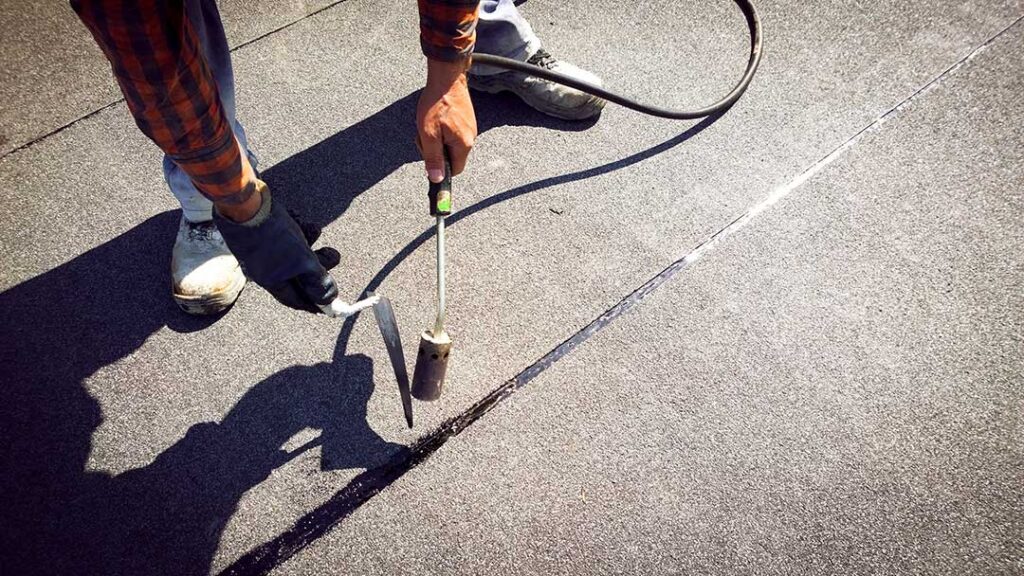
Renovating a home in Watervliet, NY brings the potential for roof damage, especially when work involves additions, demolition, or exterior changes. Even projects that don’t directly touch the roof can create problems if dust, debris, tools, or moisture reach sensitive roofing materials. Accidental foot traffic, falling objects, and improper storage of materials all contribute to possible leaks or reduced roof lifespan. In the city, where homes often have tight lot lines and mature trees, debris management and access planning are particular concerns.
What Steps Should Be Taken Before Renovation Work Starts?
Start by inspecting your roof’s current condition and planning protective measures. Early action helps prevent hidden damage that can go unnoticed until after the work is complete.
- Inspect for loose shingles, flashing issues, or pre-existing leaks. Address these first to avoid confusion about what damage was caused by the renovation.
- Discuss roofing concerns with your contractor before work starts. Make sure the project plan includes protection for your roof and attic, not just the project areas.
- Consider the typical weather for the time of year: Watervliet can see heavy spring rains and winter freeze-thaw cycles, so plan exterior work outside of peak storm or freeze seasons when possible.
Should You Cover Your Roof During Renovation?
In many cases, covering parts of your roof or attic is wise, especially when there’s demolition, siding or window work, or chimney repairs planned. Protective coverings don’t have to be elaborate but should provide a barrier against dust, rain, and debris.
- For exterior demolition or cutting, heavy-duty tarps secured to the roof’s edge can keep falling debris or nails from settling on shingles.
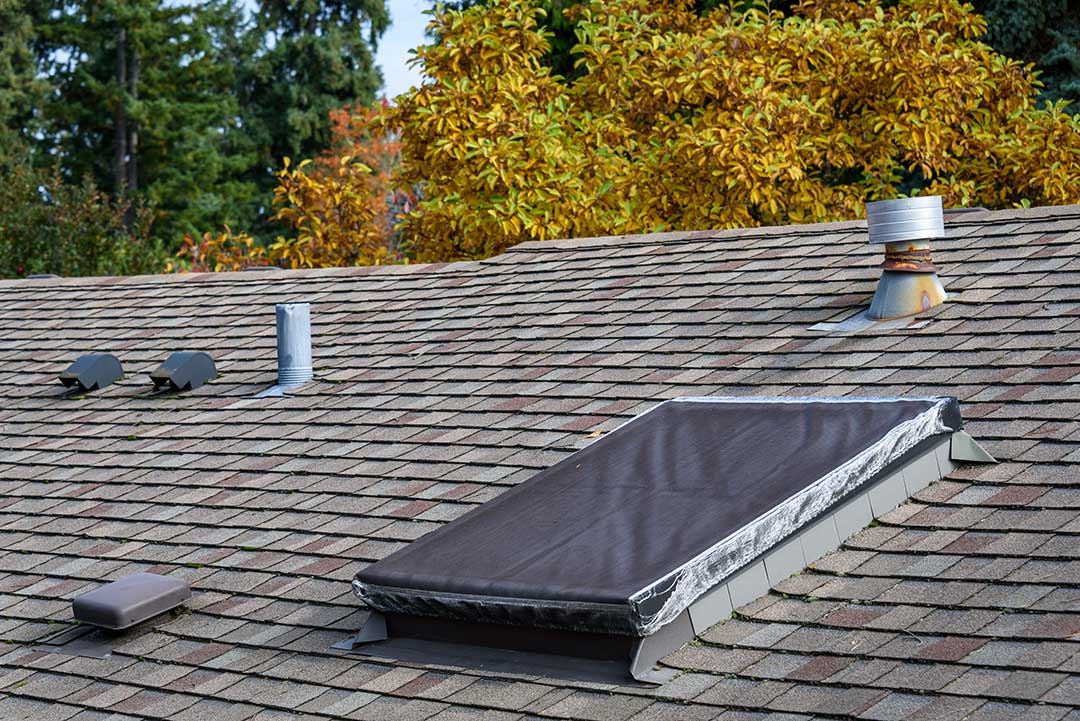
- For interior work in attics or near roof penetrations (like skylights or vents), plastic sheeting over insulation and joists prevents dust and insulation from being disturbed.
- In dense neighborhoods, communicate with neighbors so their property is also shielded from unexpected debris.
How Can You Prevent Roof Damage From Worker Foot Traffic?
Walking on the roof should be minimized unless absolutely necessary. If workers need access, there are ways to reduce the risk of shingle damage or punctures.
- Provide roof access using walk boards or soft-soled shoes to distribute weight more evenly.
- Clearly identify paths that avoid steep slopes, roof valleys, or already weathered areas.
- Remind trades working on HVAC, solar panels, or satellite dishes to avoid dragging tools or heavy equipment across the roof.
- Temporary padding (such as foam or rubber mats) can be used on walkways to prevent granular loss from asphalt shingles or tile cracking.
How Do You Protect Gutters and Downspouts During Construction?
Gutters and downspouts in Watervliet are at high risk during renovations from falling debris or ladders. Neglected gutters may also become blocked, leading to water backup and roof leaks.
- Make sure all workers know where gutters are located and explicitly prohibit leaning heavy materials against them.
- Cover gutters with wooden planks or rigid plastic to prevent denting or collapse from falling tools or materials.
- Schedule a thorough gutter cleaning before and after the project to prevent water pooling, especially during seasons prone to heavy rain.
Can Construction Debris Cause Hidden Roof Problems?
Debris that lands on a roof and isn’t removed can clog drainage points and accelerate deterioration. Even small amounts of sawdust, roofing nails, or construction scrap left after the job are risk factors in Watervliet’s climate.
- Before wrapping up renovations, visually inspect the roof from ground level for visible waste and consider scheduling a safe roof sweep once the work is completed.
- Pay close attention to valleys and behind chimneys, where debris tends to accumulate and moisture can be trapped.
- Always remove debris promptly. Roofs shaded by local trees can take longer to dry, so even organic material from construction can speed up moss or algae growth.
What Should You Do If There’s Unexpected Stormy Weather?
Watervliet’s changing weather can interfere with renovation timelines, and sudden rain or windstorms increase the risks to exposed roofs.
- Ask for tarps or plastic sheeting to be kept on hand during the renovation—even for jobs not directly involving roof alterations.
- If a roof is temporarily opened for framing changes or skylight installation, insist that it be securely covered whenever work is paused, including overnight.
- After storms, check that tarps or covers remain properly secured, as wind can shift even well-fastened protection.
Are There Local Requirements or Neighborhood Factors to Consider?
In the local area, many homes are close together and governed by municipal codes or homeowners’ association guidelines. While city regulations may not dictate how you protect your roof, being a good neighbor by managing debris, controlling dust, and maintaining safe pedestrian routes is always appreciated.
- Ensure that any scaffolding or disposal bins are set up in a way that doesn’t block storm drains or walkways, helping keep the neighborhood tidy and safe.
- Familiarize yourself with any local construction ordinances related to debris management or working hours to avoid conflicts during your project timeline.
By considering these precautions specific to Watervliet’s climate and community patterns, most residents can confidently protect their roof during home renovations—minimizing the likelihood of leaks, hidden damage, or costly repairs later.
