
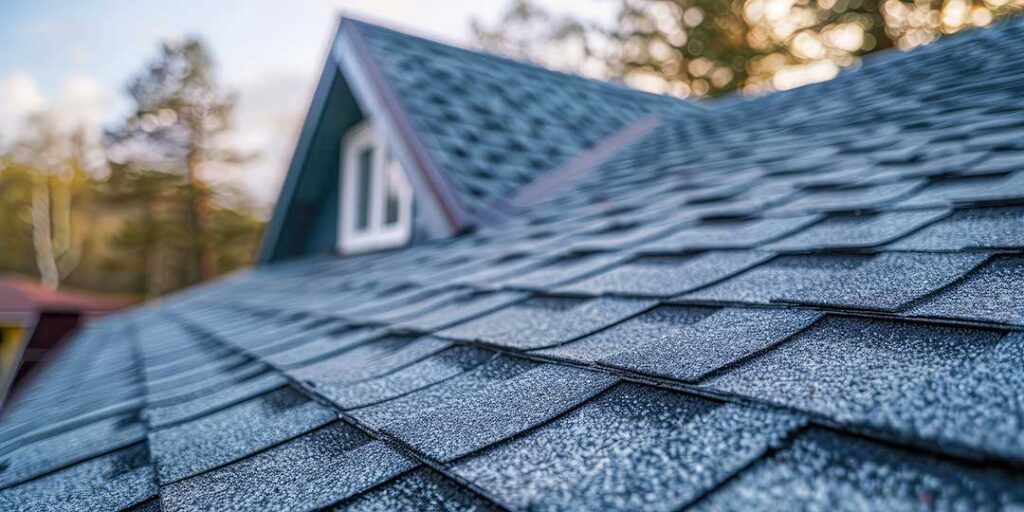
What Causes Roof Stains in Watervliet, NY?
Roof stains in Watervliet, NY are most commonly caused by algae, moss, lichen, and sometimes by debris buildup or metal corrosion. The city’s humid summers, tree cover, and moderate precipitation create ideal conditions for biological growth on shingles or other roofing materials.
Algae is especially notorious for creating dark streaks that gradually become more visible on roofs, especially those facing north or shaded by trees. Moss and lichen also thrive in damp or shaded areas, gradually taking root and causing patchy or greenish stains. Rust stains can appear from old metal flashing or nails, while pollen and debris can leave yellow or brownish discoloration that sometimes confuses local homeowners.
Are Roof Stains Harmful or Just an Appearance Issue?
Most roof stains start as aesthetic problems, but some can signal or cause underlying damage. Algae, for example, rarely harms shingles directly; its main effect is a dark, streaky appearance that bothers many residents. However, moss and lichen are different—they hold moisture against the roof surface, which can eventually lead to shingle deterioration, wood rot, or leaks if left unchecked.
In Watervliet's climate, repeated cycles of moisture and frost can worsen the impact of moss or lichen. Even if a stain is purely cosmetic, it’s wise to monitor it over time to ensure it doesn’t evolve into a bigger issue, especially with older or less durable roofs.
How Can Local Residents Identify the Type of Roof Stain?
Recognizing the type of stain is helpful for choosing the safest and most effective cleaning method. In the community, the following tips can help residents distinguish between common types:
- Algae: Dark black or blue-green streaks that follow the pattern of rainwater runoff
- Moss: Raised, green patches that may feel spongy or soft, often on shaded areas
- Lichen: Small, flat patches with a crusty or scaly texture, light green or whitish
- Rust: Red, orange, or brown streaks beneath metal fixtures
- Organic debris: Dull brown or yellow stains, typically beneath overhanging branches
Careful observation—sometimes with binoculars from the ground—can usually clarify what’s growing or sticking on the roof.
Which Cleaning Methods Are Safe for Area Roofs?
The safest approach depends on stain type and roof material, but local households can generally address mild to moderate stains themselves with simple supplies.
Small algae stains may be managed with a 50:50 mix of water and household bleach, applied gently with a pump sprayer and rinsed with low-pressure water. This method works best on asphalt shingles and should never involve high pressure, which can cause lasting damage.
For moss and lichen, a similar cleaning solution can work, but physical removal should be delicate. Use a soft brush or broom to loosen any growth after applying the cleaning mix—avoid hard scrubbing. It’s essential not to use wire brushes or pressure washers on any roof in Watervliet, as they will remove granules and shorten roof lifespan.
Those concerned about landscape plants should wet the ground below and cover garden beds with tarps to minimize exposure to runoff.
What Preventative Steps Work Best in Watervliet?
Preventing stains is often easier than fixing them later. Because the local climate supports roof growth, a few strategic changes can help:
- Trim tree branches: Keep limbs away from the roof to reduce shade and leaf litter
- Promote sunlight exposure: Encourage drying by reducing overly dense foliage
- Maintain gutters: Clean gutters and downspouts regularly, especially after autumn leaf drop
- Install zinc or copper strips: Placing these at the roof’s peak lets rainwater wash small amounts of metal down the shingles, discouraging algae and moss growth
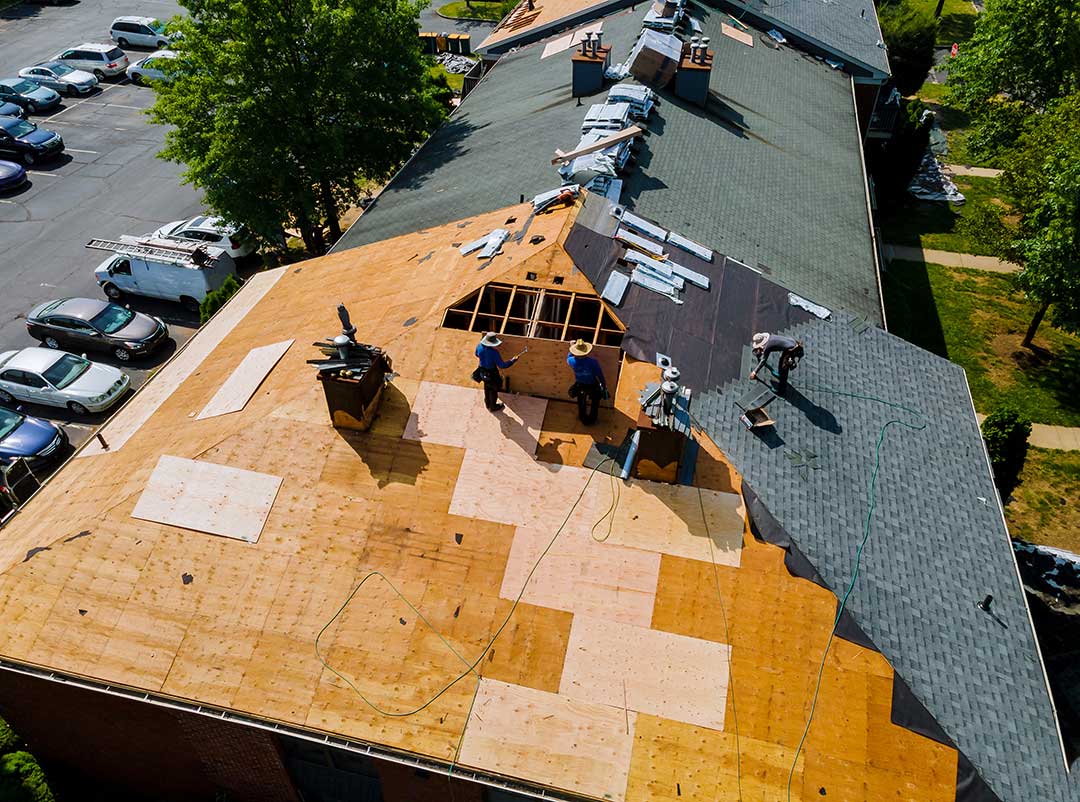
Zinc and copper become especially popular after re-roofing jobs in the region and have proven effective over multiple wet seasons.
Are DIY Roof Cleanings Always the Right Choice?
For most mild stains and gently pitched roofs, DIY cleaning is safe if proper steps are followed. However, steep, high, or slippery roofs pose real fall risks and should only be accessed with proper safety gear. In Watervliet, roofs can become especially slick after overnight dew or spring rainfall.
If the roof material is fragile, old, or historically significant (such as slate or tile on older properties), cleaning without appropriate experience can cause unintentional damage. Residents should avoid climbing on the roof unless confident with ladders, footwear, and cleaning methods.
What Are Some Common Misconceptions About Roof Stains?
Residents sometimes believe that all dark streaks mean the roof needs immediate replacement—this isn’t usually true. Most stains can be effectively treated and don’t signal imminent failure, especially if addressed early.
Another common myth is that pressure washing is the fastest fix. In reality, high-pressure cleaning strips protective granules from shingles, accelerating wear and voiding some warranties.
Finally, some try to use harsh chemicals or undiluted bleach, causing more harm than good by staining siding, burning plants, or undermining the roof’s weatherproofing. Using only manufacturer-approved cleaners or a gentle bleach solution saves hassle, expense, and environmental impact.
When Should a Roof Stain Trigger a Closer Inspection?
If stains reappear quickly after cleaning, spread unusually fast, or accompany signs of internal leaks or sagging, an underlying roof ventilation or moisture issue may be present. Local homes with older attics or limited insulation sometimes experience this cycle. Repeated moisture buildup can indicate that further steps—ventilation upgrades, shingle replacement, or addressing attic condensation—might be needed.
Neighborhood roofs that develop stains immediately after severe weather should also be checked for hidden shingle or flashing damage that traps moisture.
