
Does a New Roof Increase Home Value in Watervliet, NY?
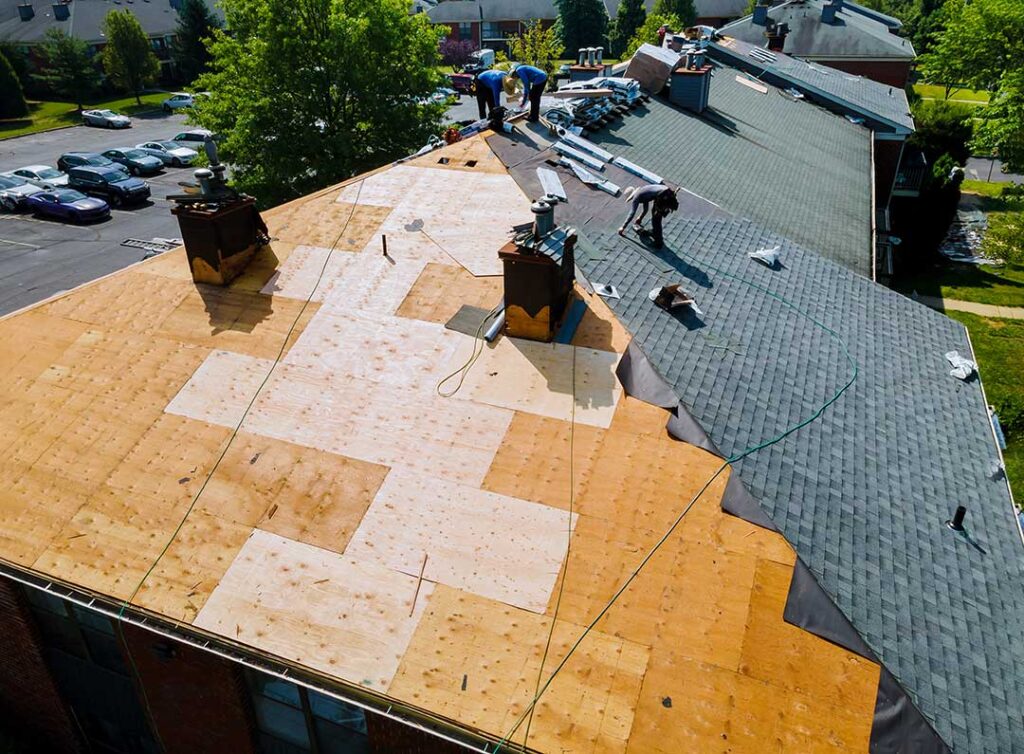
Replacing an old roof generally has a positive effect on property value, especially in Watervliet, NY’s climate with heavy winter snowfall and seasonal rains. For many buyers and appraisers, a newer, well-maintained roof signals that a home has been properly cared for, reducing concerns about leaks, insulation problems, or expensive repairs soon after purchase.
Homeowners in the city often see improved resale potential, though the exact increase in value depends on factors like roof type, overall home condition, neighborhood trends, and timing within the housing market cycle.
Why Do Buyers Care About the Age and Condition of the Roof?
Most homebuyers in the area ask about roof age early in the process because roofs represent one of the costliest home repairs. In regions like Watervliet where winters can be harsh, an older or visibly worn roof raises concerns about:
- Water intrusion from ice dams or heavy downpours
- Loss of heat during cold months, impacting energy bills
- Mold, attic moisture issues, and subsequent repairs
A newer roof signals lower risk to incoming buyers, making the home more attractive, especially when several similarly priced homes are on the market.
Is the Cost of a New Roof Always Offset by the Increase in Value?
The full expense of a roof replacement is rarely “recouped” dollar-for-dollar in immediate home value gains. Most studies estimate that homeowners recover between 60% to 70% of their investment at resale in the Northeast. However, this figure doesn’t account for increased marketability or a quicker sale.
In neighborhoods with predominantly older housing stock, a new roof may help a home stand out and sell faster. This is particularly relevant in sections of Watervliet where roofs may be approaching their typical 20- to 30-year lifespan.
How Do Local Conditions Affect Roofing Value in the City?
Watervliet’s seasonal weather shapes homebuyer priorities. Roofs must withstand windy spring storms, summer sun, and heavy snow. Durability and insulation are frequent concerns. Features that local buyers often value include:
- Ice and water shields to reduce winter leakage
- Well-ventilated attics to limit ice dams
- Light-colored shingles for houses exposed to afternoon sun
A roof built or upgraded with these regional needs in mind can boost perceived value and longevity, making it more compelling during home walk-throughs or inspections.
Can a New Roof Improve Energy Efficiency?
Yes—especially if replacing outdated materials or correcting previous installation flaws. Modern roofing systems often include better underlayment, improved attic ventilation, and more energy-efficient shingles. These features can help maintain consistent indoor temperatures and reduce heating bills—a welcome change during long, cold winters.
Although savings may be modest on their own, energy improvements are increasingly valued by homebuyers looking to offset rising utility costs.
What About Curb Appeal and Neighborhood Perception?
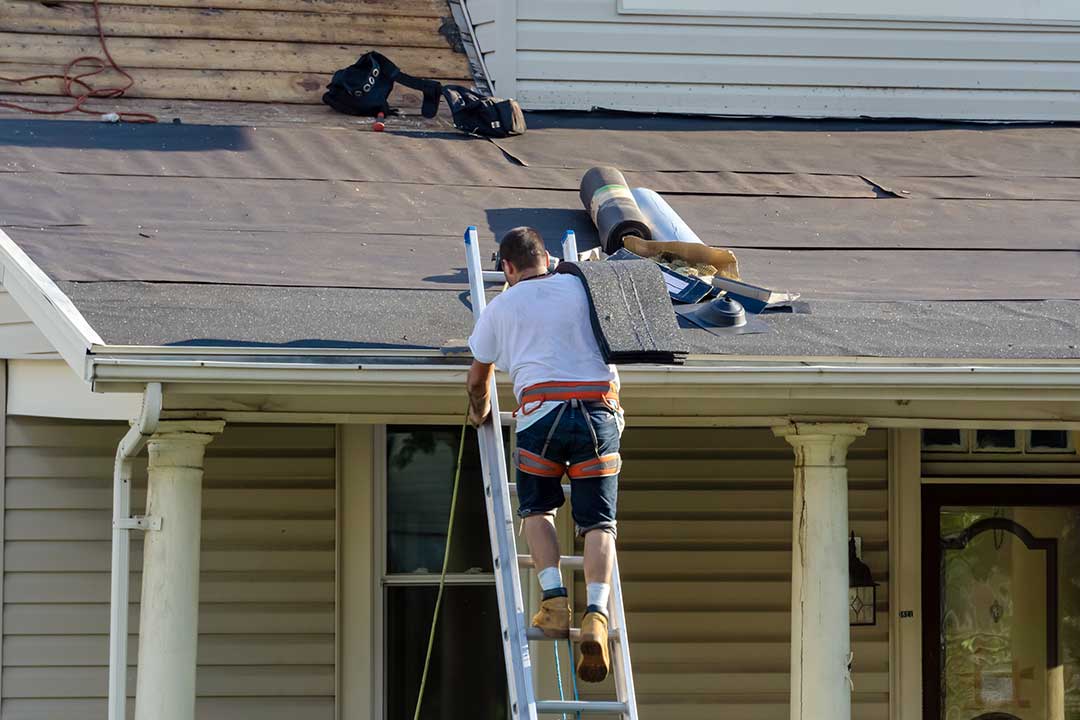
First impressions matter. A roof in good condition enhances the overall appearance and coherence of the exterior. Prospective buyers in the community often view homes with newer roofs as better maintained, which can impact perceived value well before an inspection takes place.
A visibly sagging or mismatched roof tends to raise doubts for would-be buyers, regardless of a home’s interior upgrades. In closely built neighborhoods or blocks with predominantly older homes, having a recently replaced roof can subtly influence comparisons.
Are There Common Misconceptions About Roof Replacements and Value?
Some residents assume that any roof replacement will substantially increase property value overnight. In reality, certain situations have a larger impact:
- Replacing a leaking or visibly failing roof prevents marketability issues and possible lender delays
- Upgrades to higher-end materials can improve value, but may not provide a full return unless the neighborhood supports higher resale prices
- Over-improving (using luxury materials in entry-level homes) rarely delivers proportionate value
It’s important to weigh the current roof’s condition, the expected time in the home, and local real estate dynamics before investing.
What Do Local Regulations or Insurance Requirements Mean for Home Roofing?
Homes in Watervliet often face insurance scrutiny regarding roof age and anticipated lifespan. Some insurers impose higher premiums or even require replacement after a certain number of years. Newer roofs may help lower insurance costs and avoid complications with policy renewals or home sale transactions.
Permits are usually required for full roof replacements, especially in multi-unit buildings or older neighborhoods with specific zoning rules. Ensuring compliance can prevent delays when selling.
When Might a New Roof Not Be Needed Before Selling?
Not every older roof requires immediate replacement. If the current roof is in solid condition—free of leaks, missing shingles, or water damage—prospective buyers may be satisfied following an inspection report. Routine maintenance and minor repairs can extend a roof’s functional life and reassure both lenders and potential buyers, especially when the age is disclosed honestly.
