
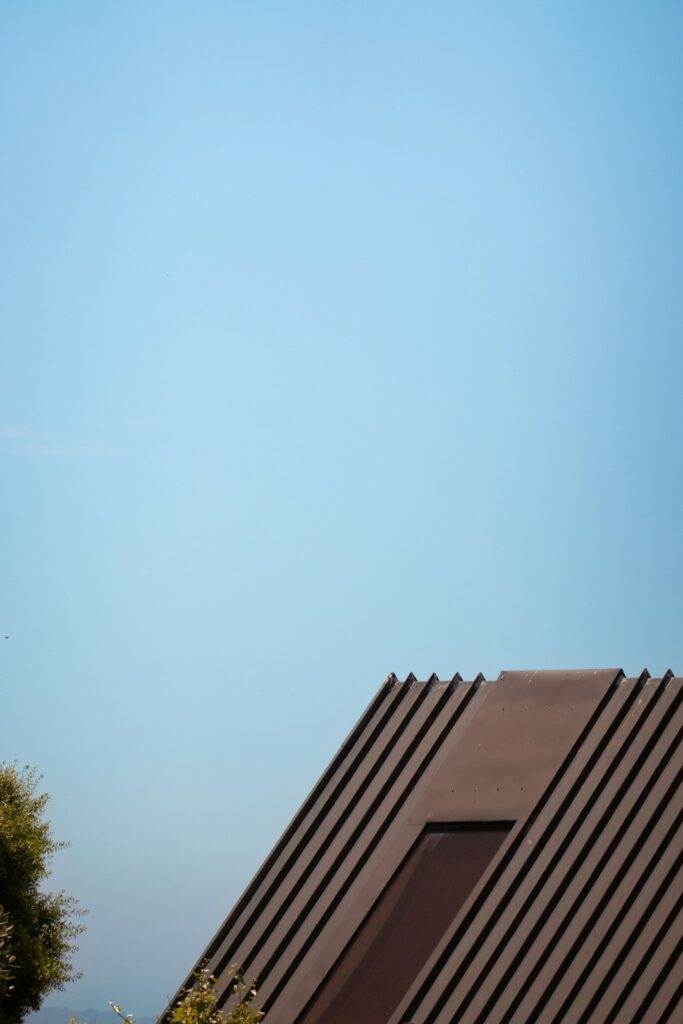
Which roofing materials last the longest?
The most durable roofing materials are usually metal, slate, clay or concrete tile, and high-quality synthetic roofing products. Their actual service life depends on installation, ventilation, drainage, maintenance, snow loading, wind exposure, and the condition of the underlying roof structure.
For homes in Watervliet, durability also means coping with repeated freeze-thaw cycles, winter snow, ice, spring rain, summer heat, and occasional strong wind. A material that performs well in a dry climate may require different detailing in a colder, wetter region.
Expected lifespans are approximate:
- Natural slate: 75 to more than 100 years
- Clay or concrete tile: 50 to 100 years
- Standing-seam metal: 40 to 70 years or longer
- High-quality synthetic slate or composite roofing: 30 to 50 years
- Architectural asphalt shingles: roughly 25 to 40 years
- Wood shakes or shingles: about 20 to 40 years with consistent maintenance
These ranges describe the roofing material itself, not necessarily every part of the roof system. Flashing, underlayment, fasteners, ventilation components, and roof penetrations may need attention sooner.
Is metal roofing the most durable practical choice?
Metal roofing is among the most durable options for many houses because it resists rot, insect damage, and moisture absorption. Properly designed metal systems can also shed snow and rain efficiently, especially on roofs with adequate slope.
Standing-seam metal generally offers better long-term performance than exposed-fastener panels because the fasteners are protected from direct weather exposure. However, metal roofing is not maintenance-free. Fasteners, seams, coatings, flashing, and areas around chimneys or vents still require periodic inspection.
Metal can expand and contract as temperatures change. A properly designed system allows for that movement. Poorly installed panels may develop loose fasteners, oil-canning, leaking seams, or damaged coatings.
Snow guards may be useful above walkways, entrances, or lower roof sections. Snow sliding from a smooth metal roof can create a safety concern even when the roof itself is performing properly.
Why is slate considered one of the longest-lasting materials?
Natural slate can last for generations because it is a dense stone that resists sunlight, moisture, and temperature changes. Its appearance changes relatively little over time, and it does not rust or decay.
The main limitation is weight. A slate roof requires a structure capable of supporting it, and older homes may need evaluation before a replacement is considered. Slate can also break if walked on improperly or struck by falling branches.
Durability depends heavily on the supporting components. Copper or other long-lasting flashing materials, sound underlayment, and carefully installed slate pieces are essential. A roof made with durable slate but short-lived flashing may still develop leaks well before the slate itself reaches the end of its service life.
Slate repair can also be more specialized than repair for common shingle systems. Matching thickness, color, and fastening methods matters for both appearance and water resistance.
Are clay and concrete tiles suitable for cold climates?
Clay and concrete tiles can last 50 years or more and provide strong resistance to fire, insects, and ultraviolet exposure. They are also available in many profiles and colors.
The concern in a cold climate is not usually the tile alone. Water can enter small cracks or porous areas, freeze, expand, and gradually cause damage. Good drainage, correct underlayment, proper flashing, and careful installation are especially important where winter temperatures regularly move above and below freezing.
Tile is heavy, so the roof framing must be designed or verified for the load. Individual tiles can also crack under impact or from careless foot traffic. A tile roof may remain structurally sound while a few damaged pieces need replacement after a storm or maintenance visit.
Concrete tile is generally heavier than many other roofing materials. Clay tile may be lighter in some designs, but weight should never be assumed from appearance alone.
How durable are architectural asphalt shingles?
Architectural asphalt shingles are not the longest-lasting roofing material, but they remain a practical choice because they are widely available, relatively lightweight, and compatible with many residential roof designs.
Their durability varies considerably. Thicker shingles with stronger reinforcement, better granule adhesion, and higher wind resistance generally perform better than basic three-tab shingles. Proper installation is just as important as the product grade.
Common causes of premature shingle failure include:
- Inadequate attic ventilation
- Poorly sealed flashing around chimneys and roof openings
- Incorrect nailing
- Ice buildup along eaves
- Moss or debris holding moisture against the surface
- Repeated storm damage
- Installing over a deteriorated roof deck
Shingles can be a reasonable choice for a home that does not require the weight, cost, or specialized installation associated with slate or tile. Their expected life should be viewed as a range rather than a guarantee.
What about synthetic slate and composite roofing?
Synthetic slate and composite roofing products are designed to imitate slate, shake, or tile while reducing weight. Many are made from blends of polymers, recycled materials, or engineered compounds.
Their advantages may include easier handling, resistance to cracking, and compatibility with roof structures that cannot support natural slate. Their long-term performance depends on the formulation, fastening method, exposure conditions, and the quality of the installation.
Because products vary widely, appearance alone is not a reliable indicator of durability. Important details include resistance to impact, ultraviolet exposure, temperature changes, and the manufacturer’s requirements for underlayment and spacing.
Synthetic materials may be a useful middle ground, but they should not automatically be treated as equivalent to natural slate or metal.
Which roofing material handles snow and ice best?

No roofing material eliminates ice dams. Ice dams form when heat escapes into a cold attic or roof cavity, melting snow that later refreezes near colder eaves. The primary defenses are adequate insulation, balanced ventilation, air sealing, and appropriate underlayment.
Roof shape also matters. Complex roofs with valleys, dormers, low-slope sections, and multiple additions create more areas where snow and water can collect. A durable surface cannot fully compensate for poor drainage or improperly detailed valleys.
Metal and slate can shed snow quickly, which may require snow guards. Asphalt shingles provide more surface friction, but they can still be damaged by ice, freeze-thaw movement, or trapped moisture.
Does a durable roof require less maintenance?
Durable materials usually require less frequent replacement, but they still need observation. Maintenance is mainly about finding small problems before water reaches the deck, insulation, walls, or interior finishes.
Useful inspection points include:
- Missing, cracked, curled, or displaced roofing units
- Rust, open seams, or loose fasteners on metal roofing
- Damaged flashing around chimneys, vents, and skylights
- Sagging roof lines or soft areas
- Blocked drainage paths
- Heavy moss, leaves, or branches
- Water stains in attic spaces or upper-floor ceilings
After major wind, heavy snow, or falling branches, a visual inspection from the ground can identify obvious changes. Walking on slate, tile, or steep roofs can cause damage and create a fall hazard.
How should homeowners compare roofing durability?
Service life is only one part of the decision. A useful comparison should include:
- Expected lifespan of the surface material
- Weight and structural requirements
- Performance during freeze-thaw cycles
- Snow-shedding behavior
- Repairability and availability of matching materials
- Longevity of flashing and underlayment
- Compatibility with the roof’s slope and shape
- Maintenance needs
- Total cost over the expected service period
For many households, the most durable roof is not simply the material with the longest published lifespan. It is the system that suits the building’s structure, slope, drainage, ventilation, exposure, and maintenance expectations.
In Watervliet, that often means giving as much attention to winter detailing and water management as to the visible roofing material. A well-installed, properly ventilated roof with dependable flashing can outperform a more expensive material that is poorly matched to the home.
